CBIC’s Mandatory EPR Registration For Plastic Importers: A Crucial Step Towards Integrated Circularity
This is more than just a compliance update—it’s a policy nudge toward long-term sustainability

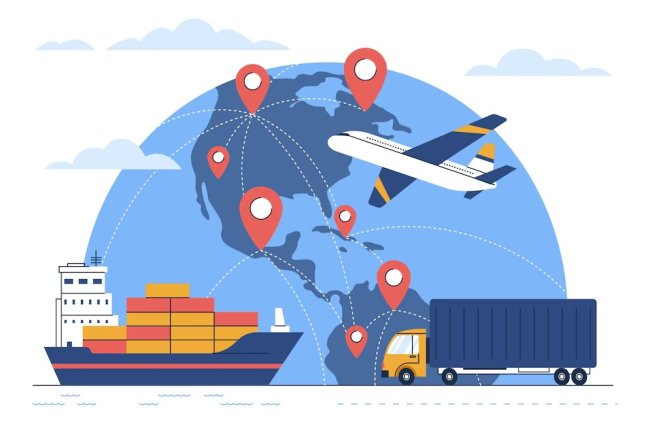
The recent directive by the Central Board of Indirect Taxes and Customs (CBIC), mandating Extended Producer Responsibility (EPR) registration for plastic importers at the time of customs clearance, marks a significant shift in India’s approach to plastic waste governance.This move is both timely and progressive. It brings long-overdue clarity to a grey area in enforcement—particularly for imports of raw or intermediate plastic materials like resins, pellets, and preforms, which previously entered Indian markets with minimal downstream accountability.
In the past, these requirements held for EPR had to be complied with by Producers, Importers, and Brand Owners (PIBOs) dealing with plastic packaging. EPRs got data of their import only to some extent at the time of customs, allowing some of the material to be disposed off of their responsibilities upstream. By closing checks at the entry point, the directive indicates a more systemic environmental responsibility instead of one created by fragmented compliance. It applies the logic that accountability begins at the source—or should never be left aside till the first point of sale or even after the consumer is at hand.
For importers, particularly those dealing in raw plastics, this directive introduces a critical compliance checkpoint. Presenting valid EPR registration at customs will now require enhanced coordination with CPCB or SPCBs, proactive documentation, and updates to internal SOPs. For businesses unfamiliar with the CPCB portal or unaccustomed to this regulatory oversight, delays in approval could result in customs clearance holds, warehousing costs, or supply chain disruptions. While digital integration with systems like ICEGATE could ease enforcement in the long term, the immediate implication is that importers must tighten operational readiness. Proactive internal training, revised procurement timelines, and early registrations will be essential to staying compliant.
Importantly, the directive has broader implications for India's circular economy. By regulating the entry of raw plastic materials under the EPR framework, it discourages circumvention strategies and introduces traceability into upstream imports. This enables the government to link imported volumes to recovery obligations, thereby closing significant gaps in waste tracking. For recyclers and waste processors, the shift could lead to stronger demand for traceable recovery and processing capabilities, ultimately raising sectoral standards.
For domestic producers, the directive levels the competitive field. Previously, imported plastic often escaped the scrutiny applied to local manufacturing, creating an uneven playing ground. Now, with uniform EPR obligations, domestic manufacturers and importers operate under similar expectations—boosting fairness and potentially encouraging local sourcing of recycled materials.
Yet, challenges remain—particularly for India’s small and medium enterprises (SMEs), who may struggle to interpret or comply with the new requirement. Many SMEs lack dedicated legal or compliance teams and operate on thin margins, making any disruption at customs a significant setback. Kashyap emphasizes the need for supportive measures: simplified EPR registration procedures, temporary grace periods, regional workshops, and step-by-step guides can help ease the transition.
This is more than just a compliance update—it’s a policy nudge toward long-term sustainability. I view this as an inflection point where India can align economic activity with environmental responsibility. With inclusive implementation and cross-stakeholder collaboration, this mandate can move the industry closer to a truly circular plastic economy.
Views are personal
What's Your Reaction?