The road ahead is not easy, and the only way to justice and hope is when many are empowered to lead, not just a few, writes the author
By now, we have all heard about the story of Greta Thunberg. At age 14, she sat outside the Swedish parliament with nothing but handwritten placards. Back then, few could have imagined and predicted the movement it would ignite in the process. The movement, called Fridays for the Future, changed something fundamental. For the first time in a long time, a global movement was not being led by policymakers and seasoned diplomats, but by children and the young generation.
However, it also highlights a troubling imbalance. Although the loudest and most heard voices in climate advocacy today are from the global north, the most devastating effects and experiences of climate breakdown are from the global South.
This paradox cannot be ignored anymore.
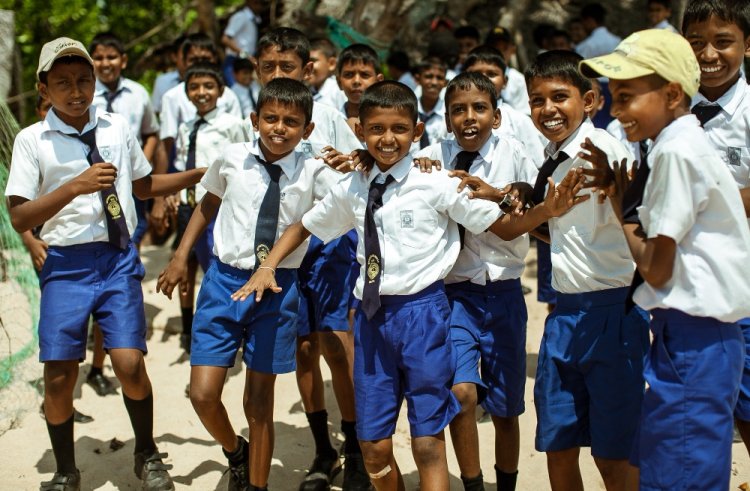
As per data from UNICEF, nearly one billion children in India alone are vulnerable to climate change. From floods, cyclones, heatwaves and higher temperatures shortening children’s lives to compromised health systems and food security, the severe effects of climate change have become the daily reality of children. It affects their health, education and future.
Yet, the only voice which has so far been ignored is that of the children. They have never been included in the decision-making process related to climate change. In fact, those who are experiencing the brunt of the crisis are rarely the ones developing the response.
Recognising children as equal stakeholders
If we are to really reverse the effects of climate change and create a more sustainable future, children can no longer be treated as passive victims of a larger problem. They must be recognised a equal stakeholders. Their perspectives and lived experiences should be thoroughly researched as they carry more value than any technical report or case study. Equitable inclusion is not a matter of charity. It is a matter of justice.
A rights-based approach to climate action requires keeping children central to the design of solutions. It begins with access to knowledge. The children need to be adequately equipped with ‘Climate Education’ as meaningful participation will only be an outcome if the children truly understand the problems transforming their world day by day. Such education will not only help them identify risks early in their local communities but will also help them adapt solutions to mitigate the problems.
Moreover, children must also be given the right platforms to help their stories reach a global audience. It would help them transcend their personal experiences and participate in border conversations.
The testimonies of those who live on the frontlines of rising seas and failing harvests bring an authenticity that cuts through the abstractions of policy jargon. India has already seen this in microcosm. Children in Assam and Bihar have a direct impact on their schooling, while the youth in Rajasthan have climate clubs where they are experimenting with local water conservation. These lived realities are gold mines for solutions, only if we listen to them.
Building resilience in schools and communities
Resilience is another cornerstone. It is important that children are equipped with the right skills and resources to help their communities better adapt to the situations today. It is also important that we cultivate the ability to turn adversity into resilience and not assume it. As per the National Disaster Management Authority, schools are the most impacted institutions during extreme climatic events. Thus, it makes sense that we start there and train the students and children how to better understand and mitigate such situations. From drills to awareness drives to participation in local adaptation plans, schools must become a key player in building resilience in communities.
Last, but not least, inclusion cannot stop at the local level. Global platforms from climate summits to policy forums must make genuine space for children from marginalised and climate-vulnerable regions. Children must be present where decisions regarding their own future are being negotiated, as they have the most at stake.
The road ahead
The vision is clear. The next big name, such as Greta Thunberg, may not only come out of Sweden but from the Sundarbans, where sea levels have destroyed multiple islands and villages or from Ladakh, where the melting of glaciers due to climate change threatens livelihood. And let me be clear, it is not that we do not have our champions. Names like Ridhima Pandey and Licypriya Kangujam are already showing us that children can not only challenge the might of policymakers but also demand accountability.
We must remember that children’s leadership is not a token gesture. It is indispensable. It is only when we see them as partners, and not symbols, that we can really address the climate crisis. The road ahead is not easy, and the only way to justice and hope is when many are empowered to lead, not just a few.
Views are personal
(The author is the head of Country Office, India for Terre des hommes)
What's Your Reaction?