NLC India’s 500 MWh battery storage project in Tamil Nadu, won in 2025, enhances grid stability for 2030 renewable targets.NLC India’s 500 MWh battery storage project in Tamil Nadu, secured in 2025, boosts grid stability for India’s 2030 renewable goals.
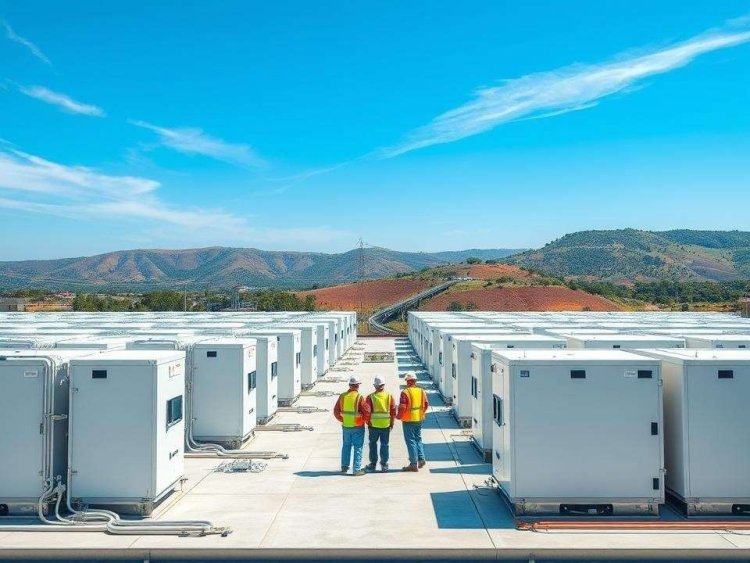
NLC India’s renewable arm secured a 500 MWh battery energy storage system (BESS) project in Tamil Nadu in June 2025, supporting India’s 500 GW non-fossil fuel target by 2030. The project enhances grid stability for the state’s 10 GW renewable capacity.
NLC India Renewables won the 500 MWh BESS project through a tender by the Solar Energy Corporation of India on June 8, 2025, at a cost of $300 million. Located in Tamil Nadu, with 10,603 MW wind and 12 GW solar, the project will store 2.5 GWh daily, reducing curtailment by 12%. It uses lithium-ion batteries with 85% efficiency, powering 500,000 homes during peak demand.
India’s 159.5 GW renewable capacity faces grid challenges, with 10% of power lost due to intermittency. BESS, with 120 MWh installed nationwide, offers a solution, with Tamil Nadu leading at 50 MWh. The project aligns with the 2025 Budget’s $5,400 crore for storage, targeting 30 GWh by 2030. NLC’s expertise in 1.4 GW solar projects ensures delivery by 2027.
Challenges include high costs ($600/kWh versus $100/kWh for pumped storage) and 80% reliance on imported lithium. Tamil Nadu’s 18 GW renewable manufacturing capacity could localize production, cutting costs by 20%. Environmental concerns, like battery recycling, require $50 million in infrastructure, per CEA estimates. Gujarat’s 100 MWh BESS project shows a 15% cost reduction using AI-based energy management.
The project creates 1,500 jobs and reduces emissions by 800,000 tonnes annually. Tamil Nadu’s Renewable Energy Cluster Programme, with 5 GW planned, supports integration, but land acquisition delays 30% of projects by 6 months.
Conclusion
NLC India’s 500 MWh BESS project strengthens Tamil Nadu’s renewable grid, supporting India’s 2030 goals. Local manufacturing and recycling are vital for scalability.
Source: Economic Times Manufacturing,
What's Your Reaction?