


Puma Detectives project tracks puma movements in Brazil’s Cerrado and Atlantic Forest for conservation efforts.
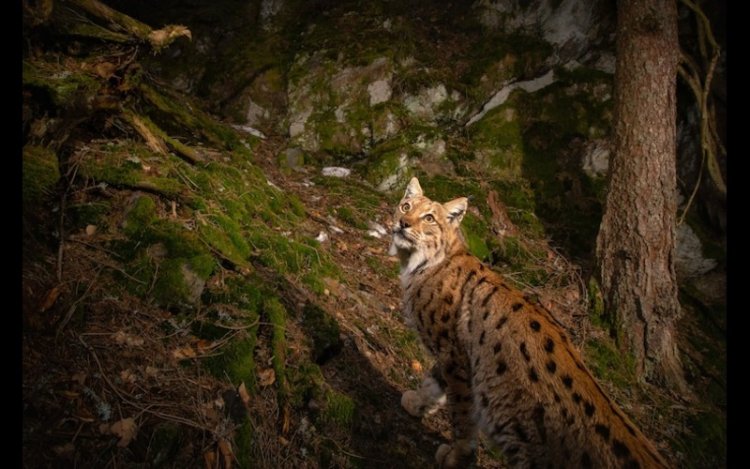
Deep in the heart of Brazil's state of Goiás, a pioneering conservation project is illuminating the routes that pumas, or suçuaranas, take through landscapes becoming increasingly dominated by human activity. The Suçuaranas Detetives (Puma Detectives) project has become one component of a larger effort to map wildlife movement and facilitate coexistence of rural communities with the environments that surround them.
Corumbá is at the center of the initiative, a puma male whose name is drawn from a Goiás river, who went on an out-of-the-ordinary 120-kilometer trek between two critical conservation areas — the State Park of Atlantic Forest (PEMA) and State Park of Serra de Caldas Novas (PESCAN) — in a period of 11 months. Its migrations, tracked via a GPS collar, have revealed ecological corridors to scientists and key areas that deserve environmental protection, especially in the transition zone where the Cerrado savannah meets the Atlantic Forest.
Directed by the Mammals of the Cerrado Conservation Program (PCMC) at the Federal University of Catalão, this project was initiated in 2009 and has concentrated most of its efforts on two predators: the hoary fox and the puma. In cooperation with the Goiás state environmental agency (SEMAD), the project combined two previous initiatives — one conducting puma ecology and the other analyzing human-wildlife relations — to monitor how these stealthy predators move through the terrain and interact with human communities.
Field crews have set up camera traps, gathered evidence such as paw prints and scat, and GPS-collared pumas to monitor their travels. In addition to Corumbá, other felines of note are Pema, a male puma who was named after the park, and Vulcanis, a female whose travels extend far beyond park borders. The information indicates intriguing trends: males roam more at night, and females, to keep out of male territory and guard their offspring, roam day and night. This trend impacts their quarry, which varies from capybaras to giant anteaters.
Solitary pumas have extensive ranges of roaming. Whereas the mean territory in the Triângulo Mineiro area was 210 km², that of Corumbá comprised a territory almost ten times larger. Pema actually spent 530 km² in a month and hence is the most roving one among them. However, such long travels are fraught with risks. Roads that cut across Brazil tend to overlap animal tracks, so frequent car smashups of animals take place along these, particularly in the wildfire season when the animals are running away from burning landscapes.
In spite of these difficulties, at least 15 pumas have been spotted in the PEMA and PESCAN parks — a good omen in an area where sightings are uncommon. The parks also harbor a diverse variety of wildlife, such as jaguars, tapirs, giant armadillos, and maned wolves, due to their diverse landscapes and availability of water. The environmental diversity has prompted the Puma Detectives project to expand to other regions such as Terra Ronca State Park (PETER), which is home to one of Latin America's largest cave systems and a myriad of Cerrado fauna, including the bush dog and Pfrimer's parakeet.
The scope of the project goes beyond science. Community engagement is at the heart of its purpose. Local residents, previously unaware or even antagonistic towards the animals, now contribute to conservation activities. Environmental education, interviews, and events such as Suçuarana Week are changing public opinion. The school programs include a mascot cub, Peminha, in order to make it easier for children to identify with wildlife in the region. Former hunters and loggers, meanwhile, are discovering new work as park guardians, supporting both environmental conservation and their own families' well-being.
One particularly remarkable tale is Pema's, who disappeared when his collar broke — to be rediscovered thanks to a farmer's social media video some nine months later. His return to the park was a symbolic act, highlighting the importance of people power and persistence. As the top predators of their realm, pumas play a key role as indicators of ecosystem health. With coexistence and respect for each other by humans and animals, conservationists feel there's space for them both to succeed.
The value of the Suçuaranas Detetives project lies not only in numbers gathered or pumas monitored, but in the deeper change of individuals' connection to the land and the species that live on it. As the project reaches out to additional parks and communities, it provides a compelling model for wildlife conservation based on science, education, and community empowerment.
What's Your Reaction?

















