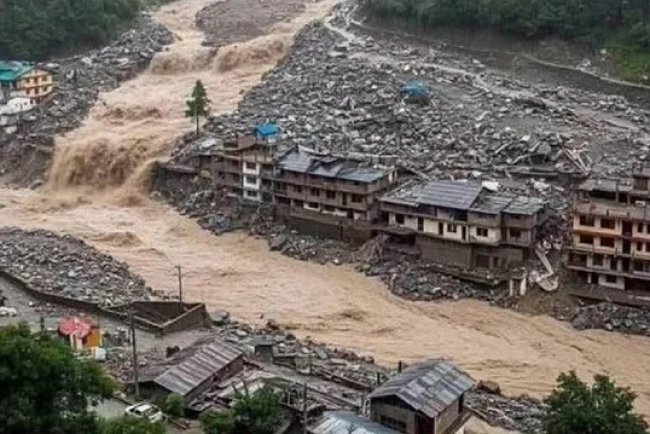
Exploring the rising issue of climate change burnout among youth, this article delves into the psychological impact of environmental crises and the urgent need for supportive measures.

Climate change is no longer a distant threat; it is an immediate crisis impacting various facets of life, including mental health. Among the most affected are young people, who are grappling with the psychological consequences of a deteriorating environment. This phenomenon, often referred to as "climate change burnout," is characterized by feelings of anxiety, hopelessness, and despair related to climate issues.
The Psychological Impact on Youth
Young individuals are increasingly experiencing eco-anxiety—a chronic fear of environmental doom. This anxiety stems from witnessing the escalating effects of climate change, such as extreme weather events, rising sea levels, and biodiversity loss. The constant exposure to alarming news and the perceived inaction by authorities exacerbate these feelings.
Studies have shown that this form of anxiety can lead to significant mental health challenges, including depression and post-traumatic stress disorder (PTSD). The uncertainty about the future and the perceived lack of control contribute to a sense of helplessness among the youth.
Contributing Factors
Several factors contribute to climate change burnout among young people:
Information Overload: The 24/7 news cycle and social media platforms constantly bombard users with information about environmental crises, leading to heightened stress levels.
-
Perceived Inaction: A widespread belief that governments and institutions are not doing enough to combat climate change fosters feelings of betrayal and frustration.
-
Personal Responsibility: Many young individuals feel an overwhelming sense of responsibility to address climate issues, which can be mentally exhausting.
-
Lack of Support: There is often a lack of adequate mental health resources specifically tailored to address eco-anxiety and related concerns.
Coping Mechanisms and the Need for Support
While some young people channel their anxiety into activism and advocacy, this is not a universal solution. There is a pressing need for mental health support systems that acknowledge and address the unique challenges posed by climate change. Educational institutions, healthcare providers, and policymakers must collaborate to develop resources and strategies to help youth cope with eco-anxiety.
Moreover, fostering open dialogues about climate issues and promoting community engagement can provide a sense of empowerment and collective action, mitigating feelings of isolation and helplessness.
Conclusion
Climate change burnout is a growing mental health concern among young people, driven by the escalating environmental crisis and a perceived lack of effective action. Addressing this issue requires a multifaceted approach, including increased mental health support, educational initiatives, and genuine efforts by authorities to combat climate change. By acknowledging and addressing the psychological impact of environmental issues, society can better support its youth in navigating these challenging times.
What's Your Reaction?