A study has found that heat released from the Southern Ocean is contributing to Antarctic sea ice decline by increasing melting and affecting new ice formation.
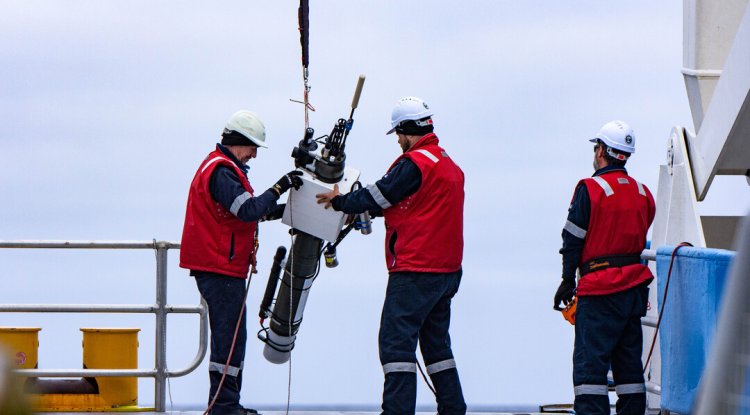
Heat released from the Southern Ocean is contributing to the decline in Antarctic sea ice, according to a new study that examined changes in ocean temperatures and ice cover around Antarctica.
Researchers found that heat stored below the ocean surface is moving upward and reaching areas beneath sea ice. The process increases melting from below and affects the formation of new ice, contributing to lower sea ice coverage.
The findings come as Antarctic sea ice has remained below historical averages in recent years. Scientists have been investigating the factors behind the decline, which has drawn attention due to the scale and persistence of recent reductions in ice extent.
The study analysed ocean temperature records and sea ice observations to assess the relationship between subsurface ocean heat and ice loss. Researchers reported that periods of increased heat transfer from deeper ocean layers to the surface were associated with reductions in sea ice cover.
While Arctic sea ice has been displaying a consistent decline for decades now, Antarctic sea ice, on the other hand, has always had higher variations from year to year. But more recently, sea ice coverage has been at record-low levels since the start of satellite monitoring.
As explained in the research, the Southern Ocean is where excess heat from the atmosphere is stored. Heat may be carried by ocean circulation to other areas and at various depths. The researchers say that shifts in the dynamics involved may affect the level of heat reaching the surface of the oceans, and thus affect the formation of sea ice.
Sea ice regulates the exchange of heat, water, and gas between the atmosphere and the ocean. Sea ice can even reflect solar radiation. This means that shifts in sea ice could affect the regional climate.
Researchers said the movement of heat within the Southern Ocean should be considered when examining changes in Antarctic sea ice. The findings indicate that ocean conditions, in addition to atmospheric factors, influence the extent and distribution of sea ice around the continent.
The study contributes to ongoing research into the causes of Antarctic sea ice variability and decline. Scientists said continued observation of ocean temperatures, circulation patterns, and sea ice conditions will be important for understanding future changes in the Antarctic environment.
What's Your Reaction?