Wind and solar power systems are now cheaper, reliable, and capable of meeting global energy demands, according to the Energy Transitions Commission. Renewables can deliver cost-effective electricity, supported by grid innovation and storage.

A recent Energy Transitions Commission (ETC) study has shown that electricity networks mostly run on wind and solar power can be more dependable and economically viable than those powered by fossil fuels. They are also competitive with them. The study comes as worldwide energy consumption is predicted to triple by 2050, reaching about 90,000 terawatt-hours (TWh) as opposed to the present 30,000 TWh. This research strengthens the case that renewable sources, especially wind and solar, are very important for satisfying future energy needs as the world aims to lower carbon emissions.
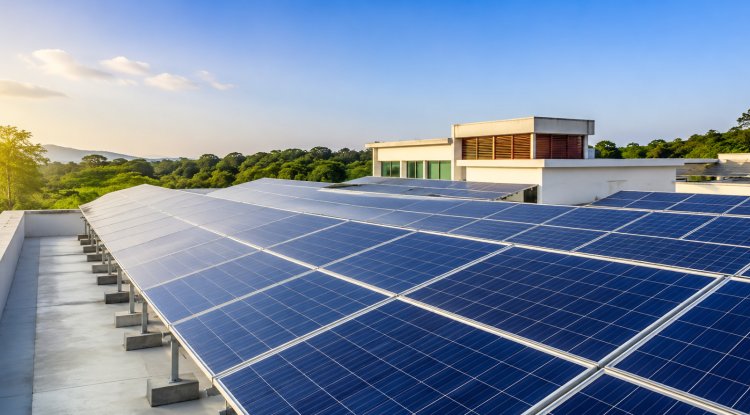
The report, titled Power Systems Transformation: Delivering Competitive, Resilient Electricity in High-Renewable Systems, shows how most nations can depend on solar and wind to be the foundation of zero-carbon energy systems. Renewables can supply up to 70% or more of a country's electricity demands at prices comparable to or less than those of fossil fuel-based electricity. Technological developments and dropping prices for solar photovoltaic (PV) systems, wind turbines, and battery storage are driving this change already in progress.
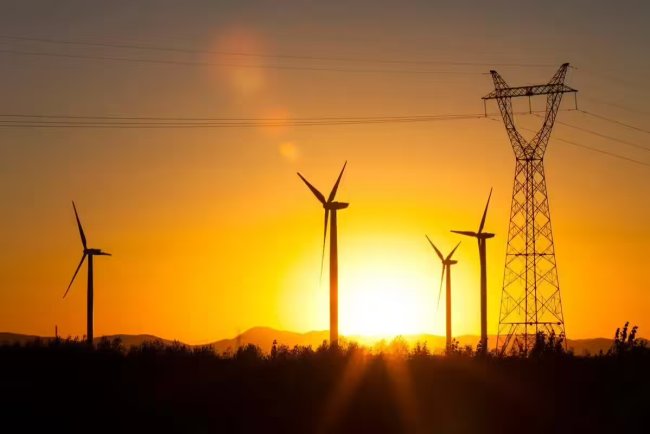
The report underlines how important geography is in determining a nation's renewable energy plan. For instance, India, Mexico, and several African nations—regions in the global sun belt—are inherently inclined to profit from solar energy because their sunlight is continuous and strong. Countries in the wind belt, such as Canada, Germany, and the United Kingdom, are better equipped to use wind energy, particularly via offshore installations and other innovations, on the other hand.
Countries with a lot of sunshine are likely to speed up the use of solar energy systems as renewable energy gets cheaper. By 2050, using solar to generate electricity in these areas may cost as little as $30 to $40 per megawatt-hour (MWh), which is far less than the price of other fossil fuel options. Wind-heavy nations, meanwhile, stand to gain from advancements in long-duration energy storage, offshore wind technology, and electrical grid design and management changes.
The study also covers issues about the dependability of renewable energy sources. It makes the case that renewable energy systems can be as stable and resilient as those driven by fossil fuels if they are backed by the proper mix of balancing and grid technologies. Maintaining system reliability—especially in light of variable energy production from wind and solar sources—depends on balancing technologies including battery storage and pumped hydro as well as wise grid management.
But this transformation won't happen without a lot of money put into grid infrastructure. The study predicts that by 2050, world grid networks could have to grow to between 150 and 200 million kilometres. Annual investments totaling perhaps $870 billion would be needed for this. These numbers might look bad, but new ideas in grid technology like digital monitoring systems and artificial intelligence are likely to make things cheaper in the long run.
Investing in renewable energy systems, however, has several economic and environmental advantages that the study strongly supports even with these expenditures. More practical clean energy options provide more general socio-economic benefits as well. Improved energy security, cheaper consumer power bills, and the development of green jobs in many industries are among these.
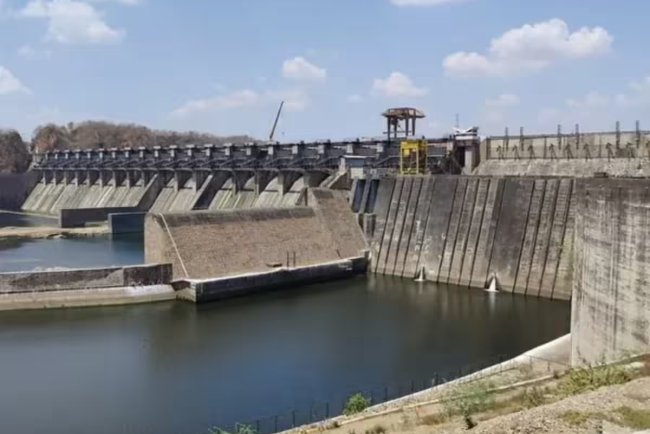
Leading media house inputs imply that the world energy transition is progressively seen to be based on renewable energy. This change includes not only solar and wind but also other low-carbon options like hydropower, geothermal energy, and cutting-edge storage systems. These technologies' development is opening up fresh possibilities for investment and sustainable growth all around while simultaneously changing electricity systems.
For the energy transition to be successful, experts think that policy backing and a unified approach between governments and business sector will be absolutely vital. Along with renewable deployment, grid extension, market changes, and investments in innovative energy technologies have to move forward. Countries can only create resilient and affordable energy systems that are also ecologically responsible by means of joining their efforts.
As electricity becomes the primary energy carrier in a decarbonised world, today’s decisions will define the future energy system for years to come. The ETC report confirms that the transition to growth in power systems led by wind and solar is the evidence-based and economically rational path forward. With proper forward planning and investment, the potential exists to utilise renewable energy systems to build a cleaner, safer, and fairer future.
What's Your Reaction?