Karnataka Power Corporation Limited achieved record hydropower generation of 15,509 million units in 2025–26, driven by strong rainfall and improved plant efficiency.
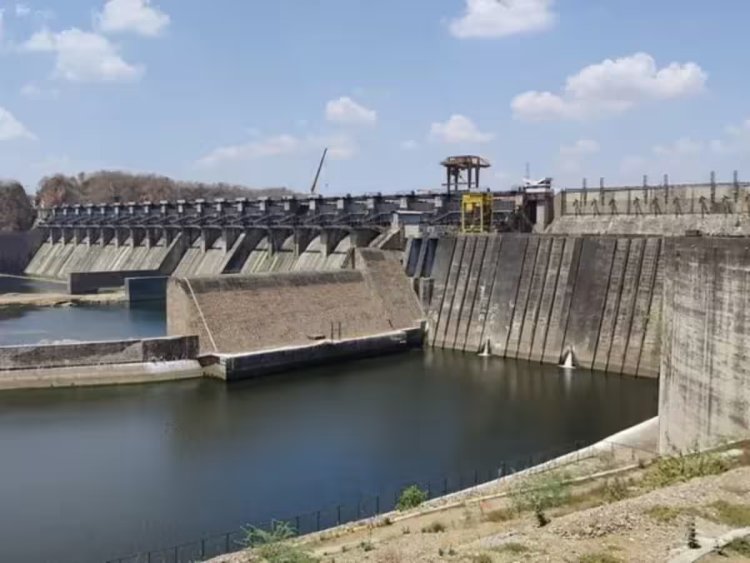
Karnataka Power Corporation has achieved its highest ever generation from hydropower plants as it generated 15,509 million units (MU) of electricity during the financial year 2025-26, according to the official reports.
The production is significantly higher than the previous year’s maximum of 13,853 MU, indicating greater production efficiency. Karnataka is among India’s top hydropower-producing states with a hydropower generation capacity of about 3.63 gigawatt.
The production growth has mainly been credited to favourable rains and efficient operations in power plants. According to officials, increased maintenance activities played a key role in boosting the output, especially for the old hydropower stations.
The generation was registered in various river basins, including the Sharavathi, Kali, Varahi, Cauvery, Krishna, and Tungabhadra river basin systems, which are the major hydropower sources in Karnataka and provide energy supply during the period of peak demands.
Stations in the Sharavathi and Varahi river basins together generated 8,696 MU, thus breaking another record of maximum ever production by these plants. Individual stations have also registered above target outputs.
It was highlighted that several existing hydropower plants, such as the Shivanasamudra plant, the Shimsha plant, and the Jog Falls plant, were responsible for contributing considerably to the growth in production figures. These old plants have been performing effectively despite undergoing maintenance.
The above case highlights the importance of hydroelectricity as a source of energy in India’s renewable energy portfolio. Hydroelectricity is known for being a source of electricity in which power plants can generate electricity according to the availability of water and energy demands.
However, it must be noted that the generation of energy using hydroelectricity is highly dependent on the weather seasons. Even though the rainy weather seasons have helped increase the generation of energy in 2025-26, future energy plans ought to take into consideration changing trends in weather seasons.
The development highlights the potential of the existing facilities for the increased generation of electricity. In light of diversifying energy sources, hydroelectricity will definitely supplement other sources such as solar and wind energy.
What's Your Reaction?