A new UNEP policy brief says clean technologies in energy, transport and buildings are reaching adoption thresholds that could speed up climate action, but warns that policy support and investment remain critical.
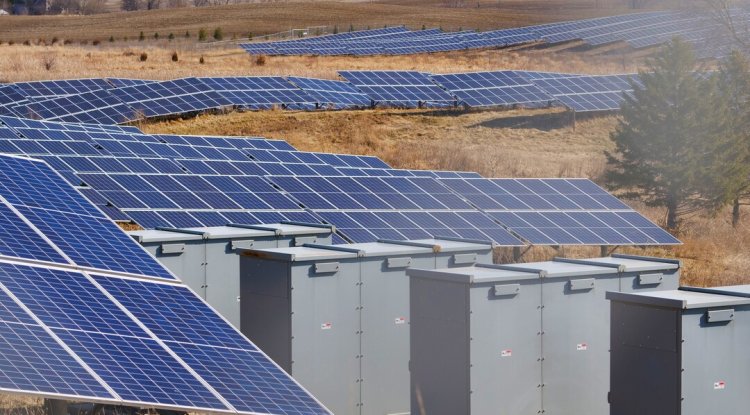
Lower cost of renewables, batteries, and EVs is accelerating the adoption of clean technologies across the globe, as per a new policy brief published by the United Nations Environment Programme (UNEP).
As per the policy brief, there are quite a few low-carbon technologies that have already graduated from the nascent stage due to lower prices and widespread deployment. UNEP highlighted that such developments may assist countries in reducing their emissions of greenhouse gases in the coming years.
The assessment was conducted by the UNEP when the governments were preparing their climate targets as per the Paris Agreement and were also under immense pressure to reduce emissions.
Some of the technologies that witnessed significant growth include renewable energy, battery storage, EVs, heat pumps, and energy-efficient buildings. As per the report, renewables accounted for most additions to the electricity generation capacity around the globe in recent years.
UNEP highlighted that lower prices of electricity from renewables are leading to increased use of technologies based on electricity, like EVs and heating systems.
The report also addressed the discrepancy between the current trends and climate goals set at an international level. According to UNEP, increased effort is needed for the successful fulfillment of the commitments made by various countries in an attempt to reduce global warming.
Although some industries are rapidly growing, there are still several challenges standing in the way of wider adoption. Access to finance, grid infrastructure, availability of technology and high initial expenses affect the rate of implementation in some developing countries.
The brief mentioned that although many technologies have become much cheaper in the last decade, cost continues to be a problem for households, firms and governments in certain parts of the world.
UNEP suggested increasing investments in electrical grids, energy efficiency programs and climate finance. At the same time, the organization underlined that policies providing market certainty can have an impact on the speed of implementation of certain technologies.
It was stated in the report that adoption levels vary from one country to another. While some countries have experienced strong growth in renewables and EVs, other nations continue to experience financial and infrastructure problems.
UNEP's findings suggest that clean technologies are becoming a larger part of global energy and transport systems. The agency said decisions made by governments and investors over the next few years will play an important role in determining how quickly emissions decline before 2030.
The policy brief focuses on the role of technology deployment in meeting climate goals and examines the factors influencing adoption across different sectors and regions.
What's Your Reaction?