A new study has found that 40% of tested gas stoves in Europe leak benzene, a known carcinogen, even when switched off, raising concerns about indoor air quality and household health risks.
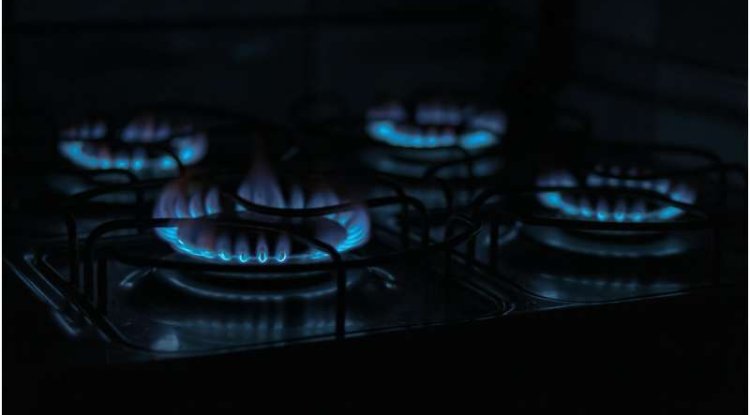
Gas stoves in several European countries may be leaking benzene, a chemical linked to cancer, even when they are not being used, according to a new study published in Environmental Research Letters.
Researchers from PSE Healthy Energy examined gas stoves and natural gas samples from homes in Italy, the United Kingdom, and the Netherlands. They found that 40% of the stoves tested released gas while switched off. Benzene was present in every gas sample collected during the study.
Benzene is a component of crude oil and natural gas and is classified as a carcinogen. The World Health Organization says there is no safe level of exposure. Long-term exposure has been associated with leukemia and other blood cancers.
The study found that benzene concentrations in European natural gas were substantially higher than those typically reported in North America. Average levels were 8.6 times higher in Italy, 37 times higher in the United Kingdom and 66 times higher in the Netherlands than those commonly measured in the United States and Canada.
Researchers estimated that leaking gas from household stoves could increase indoor benzene levels. In homes with larger leaks, exposure levels were found to be higher than those associated with secondhand cigarette smoke.
The researchers also examined how easily residents could detect leaks. Since natural gas has no smell of its own, suppliers add sulfur-based odorants that create a rotten-egg smell. However, the study found that odorant levels in parts of the United Kingdom and the Netherlands were low enough that some leaks could go unnoticed.
Independent experts who were not part of the study stated that benzene exposure can occur through various means, ranging from vehicular exhausts to urban air pollution. They also mentioned that besides vehicles, gas stoves constitute some of the other ways that lead to benzene exposure.
The new findings arise amid continued efforts by several European countries to enhance air quality standards and curb building emissions. The researchers further stated that their findings reveal the existence of harmful substances in natural gas used in households, besides revealing the importance of undetected leaks in indoor exposure.
The research was carried out based on samples from households in three European countries, taking into account leaks in unburned gas in appliances as opposed to emissions caused by cooking.
What's Your Reaction?