Brazil has awarded its first Amazon reforestation concession, allowing forest restoration on public land through a project financed partly by carbon credit generation.
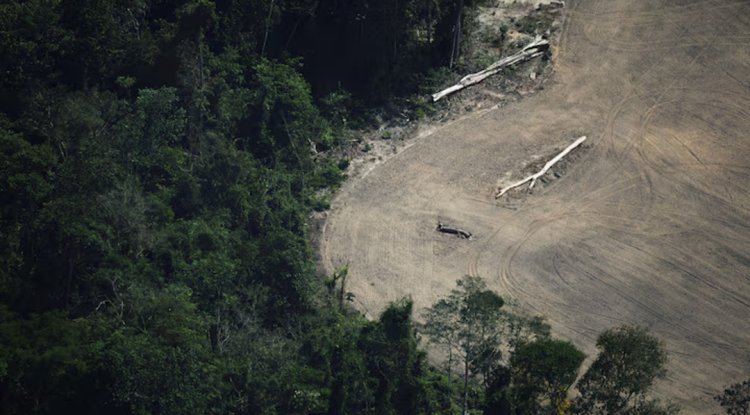
Brazil has granted its first concession for reforestation in the Amazon rainforest; an area of degraded or damaged public land has been set aside to allow for restoration of the forests using a model by which carbon credits can be generated.
The concession is a part of a Federal program that will restore these degraded areas of Amazonia and attract private investments in restoration programs. The successful applicant will perform the reforestation work and operate the site under terms set by the Federal Government of Brazil.
According to officials, the project will be focused on restoring native or indigenous plant species to a degraded area of the Amazon rainforest. The company must meet certain environmental standards and will be required to monitor the outcome of its restoration project for the term of the concession.
As the forests are restored, they have the potential to generate carbon credits based on the amount of CO2 that they capture and store as the vegetation matures. These carbon credits can be sold in international carbon markets, which will create an income stream from restoring the forests of the Amazon.
The concession does not entail a transfer of public land ownership. The government will continue to own the property; however, the concessionaire will have the authority to carry out the restoration and manage all aspects of the project as agreed.
The initiative seeks to increase forest restoration in Brazil, which contains the most extensive portion of the Amazon rainforest. The Amazon rainforest is one of the largest tropical rainforest ecosystems on earth and serves as an important carbon storage facility and helps maintain biodiversity.
Brazil has been working to implement additional policies to decrease deforestation and restore damaged land. One of the solutions identified to help improve vegetative coverage in areas that have undergone land-use alteration is through forest restoration.
Increased usage of carbon credits has occurred as financing for the establishment of restoration projects. Projects that remove carbon from the atmosphere or store carbon can earn credits that may be traded on the voluntary carbon market under such agreements.
The continued usage of carbon credits to finance conservation projects is highly debated. Environmental organisations and researchers have identified the importance of verification, monitoring, and long-term protection of restored lands for these projects to achieve and retain their claimed carbon benefits.
Officials from Brazil stated that this project could provide a model for other restoration concession projects in degraded forests in the country and will be monitored closely by those who create policies, conservation groups, and those involved in carbon markets as Brazil expands its initiatives for restoring forests.
What's Your Reaction?