China’s clean technology exports, led by solar panels, EVs, and batteries, rose sharply in 2026 as global energy disruptions increased demand for renewable alternatives.
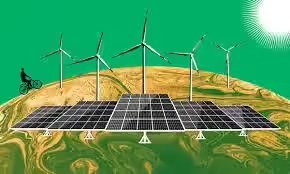
China’s clean technology exports rose sharply in early 2026 as global energy disruptions pushed countries to accelerate the shift towards alternative energy sources, according to recent trade data and industry assessments.
Clean energy product categories such as solar cells, electric vehicles (EVs), and lithium-ion batteries have seen an extraordinary year-over-year rise in export volume, led by solar cell shipments, which grew by 80%. EV exports were up by more than 50%, and batteries by more than 30%.
This trend emerges on the back of the global energy crisis as a result of the disruption of the energy supply chain, as a consequence of political disputes in the Gulf of Hormuz. As a result, the price of fuel increased, and there are fears that people would become dependent on the energy supply. This, in turn, resulted in nations turning to clean energy sources, thereby switching to non-fossil fuels.
About Chinese dominance in manufacturing, as well as its lead in clean energy supply chains, China can be viewed as the primary country when it comes to using clean energy technologies. It produces batteries, solar panels, and electric vehicles in bulk.
Moreover, such growth in China's export of clean energy equipment can be explained by the presence of certain long-term tendencies that have been developing for many years now. In other words, the fact is that China has invested substantially in renewable energy sources, manufacturing, and infrastructure.
According to trade data, international demand has become one of the key factors behind the growth of the clean energy sector in China. Clean energy technologies have been exported at an all-time high recently, with a significant proportion of shipments going to European and Southeast Asian countries.
Clean energy technologies are now considered a hedge against fluctuations in the fossil fuels market, according to industry experts. In pursuit of stability and affordability in their energy infrastructure, nations are adopting more clean technologies, including solar panels and battery storage systems.
While China’s export growth has been impressive, some risks still exist. Issues surrounding supplier dependency, restrictive trade policies, and political tensions may influence the trajectory of international energy flows. Governments from various regions have voiced concerns regarding reliance on a few sources of energy infrastructure supplies.
The latest data underscores a broader shift in global energy markets, where clean technology trade is becoming closely linked to energy security strategies. While fossil fuels continue to play a major role, the expansion of renewable technologies is reshaping trade patterns and industrial growth.
What's Your Reaction?