China and India cut fossil power as renewables meet most demand growth, overtaking coal in global electricity mix
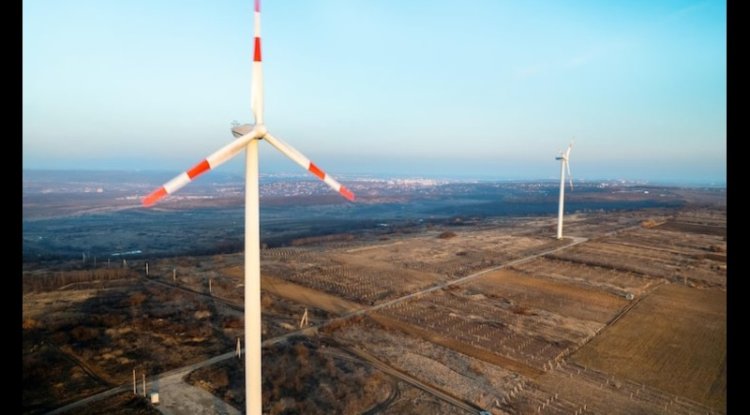
In 2025, China and India cut back on power generated from fossil fuels as renewable energy expanded rapidly. This marked a significant change in global electricity markets. The shift shows how renewable energy, particularly solar and wind, is becoming crucial for meeting the growing demand while coal usage continues to decline.
Asia Drives Global Energy Shift
China and India collectively reduced fossil fuel generation by 108 terawatt-hours (TWh). This reflects an important turning point, as both countries increasingly turn to renewables to boost economic growth. In Asia, clean energy capacity especially solar and wind has grown quickly, altering supply dynamics in the world’s fastest-growing energy markets.
In China, fossil fuel generation dropped by 0.9%, or 56 TWh, while solar output increased by 40%, contributing an extra 336 TWh. Solar energy alone met nearly two-thirds of the country’s additional electricity needs, marking a clear shift toward low-carbon sources in the world's largest power system.
India followed a similar trend, with fossil generation decreasing by 3.3% or 52 TWh, while renewable output rose by 24%, adding 98 TWh. This shift shows that emerging economies are starting to separate electricity demand growth from dependence on fossil fuels, a change that has long been considered difficult due to development challenges.
Renewables Overtake Coal Globally
The changes in China and India coincide with a significant global milestone in 2025. Renewable energy sources made up 33.8% of total global electricity generation, surpassing coal at 33.0%. This is the first time that renewables have surpassed coal in the global energy mix.
Coal generation fell by 63 TWh in 2025, marking its first annual decline since 2020. At the same time, solar and wind energy accounted for 99% of the increase in global electricity demand, suggesting that almost all new power capacity is now clean. This shift indicates a growing preference for renewables driven by cost, policy support, and technological improvements.
Structural Change Across Advanced Economies
Long-term data from OECD countries back up this trend, showing a steady decline in fossil fuel generation. Since peaking in 2007, fossil-based electricity output in these countries has dropped by 19%.
In 2025, fossil fuels made up 48% of electricity generation in OECD countries, below the global average of 57%. All 38 member countries reported fossil generation levels below their historical highs, pointing to a lasting shift instead of a temporary change.
At the same time, wind and solar generation in these economies rose by 2,138 TWh, making up for the decrease in fossil output while meeting rising electricity demand. Power sector emissions in OECD countries have fallen by 28% since 2007, reflecting the impact of policy measures, market incentives, and decreasing renewable technology costs.
Economics Accelerate Renewable Adoption
Cost competitiveness has become a major factor in the energy shift. In 2025, the average cost of energy was $39 per megawatt-hour for solar and $40 for onshore wind. This is much lower than the $102 per megawatt-hour average for combined cycle gas turbines.
The growing cost difference is shaping investment choices globally, making renewables the top choice for new power generation projects. Lower costs decrease financial risks for developers and improve returns, while encouraging corporate buyers to enter long-term renewable power purchase agreements.
Governments are also seeing less financial pressure as declining renewable costs reduce the need for subsidies and allow for more market-driven energy shifts.
Implications for Energy Markets and Policy
Even though fossil fuels still account for 58% of electricity in China and 73% in India, the growth direction is clearly shifting toward renewables. This transition lowers exposure to fossil fuel price swings and aids efforts to achieve climate targets.
Policymakers now face the task of ensuring grid stability while increasing renewable capacity. Investments in transmission infrastructure, storage solutions, and grid flexibility will be vital to maintaining this transition.
For businesses and investors, this shift means reallocating capital toward clean energy projects, including renewable generation, storage technologies, and grid modernization. As global electricity demand rises, renewables are increasingly becoming the standard solution.
The data from 2025 highlights a major transformation in the global energy system. While fossil fuels are still part of the mix, the growth pattern has changed, with renewables capturing almost all new demand. The speed of this transition suggests that global decarbonization efforts may proceed more quickly than expected.
What's Your Reaction?