Early investments in climate resilience can protect India's renewable energy infrastructure, reduce climate-related losses, and strengthen the country's clean energy transition.
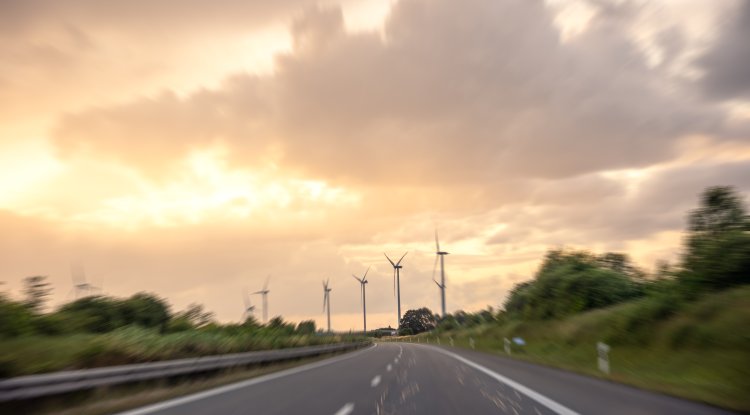
India is striving to change its energy mix in a monumental way, investing vast resources and political commitment in moving towards green energy. The objectives are clear: to add more solar parks in the sun-baked plains, wind farms in coastal belts and hydropower generation from the river systems. But the relentless push towards a sustainable future is hitting a complex irony. What India is fighting for with the implementation of clean energy is actually threatening the structural safety and economics of the very infrastructure installed to support it.
The Zurich Insurance Group has published a detailed study of risk that shows a sobering reality for the green ambitions of the subcontinent. The figures highlight that about 90% of the planned renewable energy pipeline in India is extremely vulnerable or at critical risk from severe climate events across a large area of the country that is spread over 10 states. This is not an abstract, theoretical issue for the future. The already severe weather events that involve flash flooding, changing wildfire timing, tornadoes and violent hail storms are impacting clean energy installations in critical areas. With global temperatures on the rise, the number and severity of these disruptions will likely increase, leaving the nation with its planned 239 GW of new clean generation on the horizon in jeopardy.
In fact, the threat is taking its toll on the solar sector, accounting for almost seventy per cent of the hundreds of clean energy facilities studied. The volatile cocktail of climate risks is facing major solar developments in arid areas such as Rajasthan and Gujarat. They are designed to withstand intense sunlight, but more and more are being hit by unseasonal hailstorms. These storms can cause microfractures in the solar panels, which are invisible to the naked eye in the beginning, creating tiny cracks in the solar panels. These unseen cracks slowly destroy the panels' ability to produce electricity, slowly eroding the project's output and reducing expected returns.
Moreover, the use of such large solar arrays on dry land presents additional challenges. Solar panel surfaces are often covered by dust storms, which hinder solar radiation and reduce efficiency. They need a tremendous amount of water to clean, but during long dry spells, local operators have very little water available. This puts developers in a costly situation of either having to let the dust block their power generation or investing a great deal of money in limited water resources and high-tech robotic cleaning machines.
These risks are also significant, and estimates suggest that nearly thirty per cent of physical green energy assets could be directly damaged by climate change by the end of this decade, resulting in losses equivalent to almost fifty-five billion dollars. This is an inherent weakness that is fundamentally changing the way international capital and domestic banks finance projects. Investors and insurance underwriters are no longer viewing renewable projects in an idealistic light. Today, they are calling for strong proof of risk management. It is only natural that funding would go to developers who can demonstrate their infrastructure will stand up to major physical shocks, and it is also becoming harder for unprotected projects to obtain the lowest possible loan rates or comprehensive insurance.
However, the situation is not as bleak as it might seem. The research identifies an obvious trajectory for making early, deliberate investments in climate adaptation. With an estimated investment of four point six billion dollars in targeted resilience measures at the blueprint stage, India could potentially reduce its estimated weather-related losses by half, saving nearly twenty-seven billion dollars by 2030. The changes are proactive, such as using more durable and shatter-resistant materials for solar panels, applying advanced topographical modelling to steer clear of flood-prone areas, and building real-time early warning systems to safeguard equipment ahead of storms.
India's energy transition is a key component of global climate action, as it is the third-largest emitter of greenhouse gases. The goal of renewables accounting for sixty per cent of the country's installed electricity generation capacity by 2035 is a worthy objective. But simply rushing to scale up installations and celebrating gigawatt milestones will not help if the physical assets remain vulnerable. Structural resilience must be integrated into the national policy framework, codes of practice across the country must be updated, and the interaction between the Government, private developers and the insurance industry needs to be strengthened if progress is to be made. Successfully adapting to changing climate conditions will not only make India's green revolution ambitious, but also unstoppable.
What's Your Reaction?