Germany warns EU methane regulations may disrupt LNG and jet fuel imports from 2027.
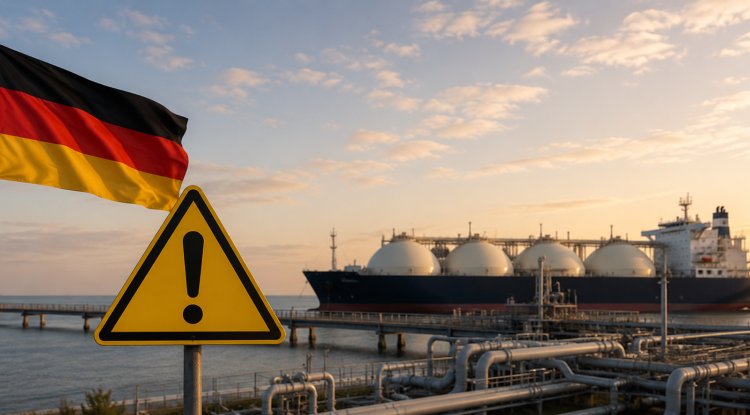
The European Union's new methane emissions regulations for imported fuels will affect supplies of liquefied natural gas (LNG) and petroleum products from 2027, including kerosene for planes, Germany said. The concerns follow as the bloc is to set new rules on monitoring and verification of methane emissions in global oil and gas supply chains.
EU methane rules, LNG imports, jet fuel supply, methane emissions and energy security have been top of everyone's agenda in the debate as Germany and other EU member states seek more time before the rules come into effect. The rule, Berlin says, could cause supply problems in the midst of global energy market uncertainty.
Germany expresses worries about the effect of the methane regulation.Germany raises concerns about the impact of the methane regulation.
Germany has joined a group of European Union governments looking to change the EU's upcoming methane rules for imported oil and gas. EU companies that import fuels must report on methane emissions associated with fuel production and transport – as required under the regulation.
Current rules may impact not only on gas imports but also on petroleum products entering the European market, said German Economy Minister Katherina Reiche. The rule could curb the availability of LNG and aviation fuel, such as kerosene, after 2027, she said.
The comments preceded the EU energy ministers' meeting, in which the member states raised concerns over the impact of the regulation on the availability of energy and supply reliability.
There is a growing concern about energy security as a result of market pressures.
With global oil transportation routes under pressure due to geopolitical upheaval in European fuel markets, the discussion has come to the fore. With the closure of the Strait of Hormuz after the war with Iran, there has been a growing worry about fuel availability and increased energy costs.
European airlines and fuel suppliers are grappling with uncertainty as pressure on global oil supplies mounts. The Middle East is a big supplier of aviation fuel for Europe, and alternative sources of supply and stable imports are a priority.
Germany requests some more time to prepare for the methane requirements. The government has said a delay or suspension of portions of the rule would help to guarantee a stable supply of gas and petroleum products.
EU Governments call for tripling the delay period.EU Governments demand a three-year delay.
Germany's stance comes after a demand by 12 EU governments for three years postponement of the methane rules. Some nations, such as Italy, the Czech Republic and the Netherlands, have pushed for a postponement, due to the question of how to ensure compliance and the potential effect on energy markets.
Those who support the delay say there may be systems in place that are not ready for exporters and businesses to provide emissions reports under the regulation. They also forewarn of challenges in complex global value chains in fulfilling the reporting obligations.
But environmental organisations and some energy analysts have said the rule is needed to cut methane emissions and companies should keep preparing for compliance.
Brussels strongly supports the approach to climate policy.
The European Commission has opposed any changes to the methane regulation, though the EU has suggested that the way the regulation is implemented may change. The rules are already flexible and attention should be paid to making compliance easier, not changing the rules, said EU energy commissioner Dan Jorgensen.
The Commission has thought about decreasing the penalties if the companies don't fully comply with the requirements during the early phases of implementation. But officials insist that the methane emission caps continue to be one of the EU's climate policy.
Methane is one of the most important greenhouse gases besides CO₂. Cutting methane emissions from fossil fuel use is seen as a key action as emissions reductions can have relatively short-term climate impacts.
A variety of new compliance challenges are faced by industry.
Fuel suppliers outside of Europe have also expressed concerns on the regulation. The United States has said that the rules could cause problems for gas supplies to the EU, especially if it is difficult for gas suppliers to deliver the necessary emissions data.
Industry groups say more work is required before the verification system and reporting process are required. They claim that the needs might have an impact on fuel availability and prices for enterprises with international supply chains.
But European officials allege compliant fuel supplies are available and companies should adjust to the new reporting requirements.
Businesses and Energy Markets are impacted.
The conflict underscores the rise in the coupling of energy and international trade, and more specifically, climate regulation. Methane performance is increasingly associated with market access and supply decisions for airlines, fuel buyers and energy companies.
The results of this debate will have an impact on the pace of carbon reporting growing in global fuel markets. The EU could incentivize spread of the methane monitoring standards among energy exporters if it continues to adhere to the standards.
A delay might complicate matters in the minds of investors regarding the pace of government action to toughen climate regulations, during uncertain energy market climates.
Germany's issues are part of a broader problem in Europe, which is seeking to reconcile its climate protection targets with the need to ensure supply security. The methane rules will be a key factor in the way the EU is fulfilling its climate obligations as it adjusts to evolving global energy realities.
What's Your Reaction?