


Parliamentary panels to examine West Asia developments and review coal block allocation processes.
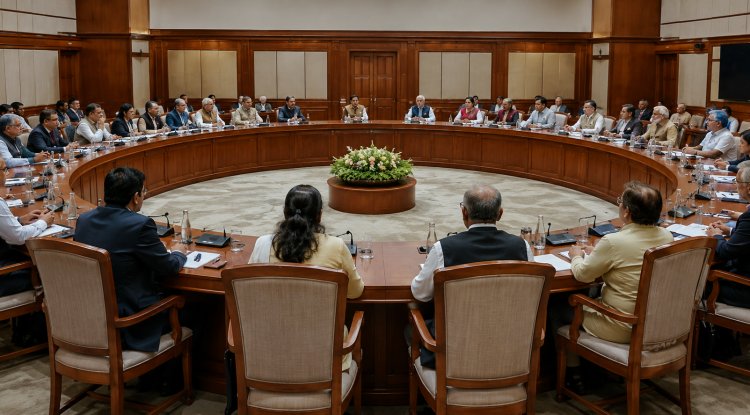
India’s parliamentary committees will discuss two major issues affecting national policy and energy management: the changing geopolitical situation in West Asia and the process of coal block allocation. These discussions come as global energy markets respond to regional conflicts and supply chain disruptions, making developments in West Asia, coal block allocation, energy security, and coal sector reforms critical areas of policy focus. The review aims to evaluate both external threats and domestic readiness as India strives for energy stability and economic growth.
The panels will look into how events in West Asia might impact India’s energy imports, trade routes, and overall energy security. Simultaneously, lawmakers will assess the current rules for coal block allocation, focusing on transparency, efficiency, and the speed of resource development. These discussions highlight the significance of these issues in shaping future policy decisions.
Focus on West Asia and Energy Security
The situation in West Asia has attracted global attention due to its potential effects on oil and energy markets. As one of the world’s largest energy consumers, India closely watches geopolitical events in the region because of its reliance on imported crude oil and other energy resources.
Parliamentary members will consider the possible economic and strategic impacts of tensions or instability in the region. Such developments can affect fuel prices, shipping routes, insurance costs, and overall energy availability. The discussions may also address government measures for preparedness, including diversifying energy sources and boosting domestic energy production.
This review reflects a wider concern about energy resilience and the need to protect the Indian economy from external shocks. Since global markets are interconnected, events in major energy-producing regions can often ripple through domestic industries, transportation, and consumer prices.
Coal Allocation Process Under Scrutiny
In addition to geopolitical issues, parliamentary committees will scrutinize the coal block allocation process. Coal remains essential for India’s energy mix, especially for electricity generation and industrial use. Ensuring a transparent and efficient allocation of coal resources is a top priority for policymakers.
The review will concentrate on allocation procedures, operational issues, and measures to enhance production from assigned blocks. Lawmakers will evaluate whether the current systems adequately support timely development of coal resources while ensuring accountability and compliance with regulations.
The coal sector has seen major reforms over the last decade that have increased transparency and competitive allocation methods. These changes aim to build investor confidence, improve resource use, and strengthen domestic coal production to minimize import dependency.
Importance of Domestic Coal Production
Despite focusing more on renewable energy, coal is still central to India’s energy strategy. Demand for electricity is rising due to industrial growth, urbanization, and economic expansion. Thus, boosting domestic coal output is a crucial goal for energy planners.
Parliamentary discussions will likely examine the progress of coal blocks assigned and the hurdles developers face in starting production. Issues like land acquisition, environmental approvals, infrastructure development, and regulatory permissions can significantly affect project schedules and production goals.
A strong domestic coal sector is seen as vital for improving energy security, lowering import costs, and ensuring a steady fuel supply for power plants. Policymakers repeatedly stress the need to balance production growth with environmental protections and sustainable development goals.
Oversight and Policy Review
Parliamentary committees have a key oversight role in India’s governance system. Their reviews allow lawmakers to assess government policies, identify challenges in implementation, and recommend necessary improvements. Parliamentary oversight serves as an essential mechanism for ensuring accountability and informed decision-making.
In the context of coal block allocation, committee discussions could lead to future policy adjustments aimed at streamlining processes and boosting operational efficiency. Recommendations from these discussions often influence administrative and legislative actions across various ministries and departments.
Likewise, discussions on West Asia will allow lawmakers to evaluate the broader strategic landscape and its implications for India’s energy planning. The findings may bolster efforts to enhance energy resilience through diversification, domestic production, and improved readiness for global disruptions.
Broader Implications
The simultaneous focus on international events and domestic resource management underscores the interconnected nature of energy policy. Geopolitical occurrences can affect supply and pricing, while domestic resource allocation determines the country’s ability to meet its internal demands.
As India aims to sustain economic growth while ensuring reliable energy access, both issues are closely tied to long-term national priorities. The parliamentary reviews are expected to shed light on how the country can handle external uncertainties while strengthening its domestic energy capabilities.
The outcomes of these discussions could influence future policy directions in areas like energy security, resource management, coal sector development, and strategic planning. With energy being fundamental to economic activity, these deliberations are likely to attract interest from policymakers, industry leaders, and analysts.
What's Your Reaction?

















