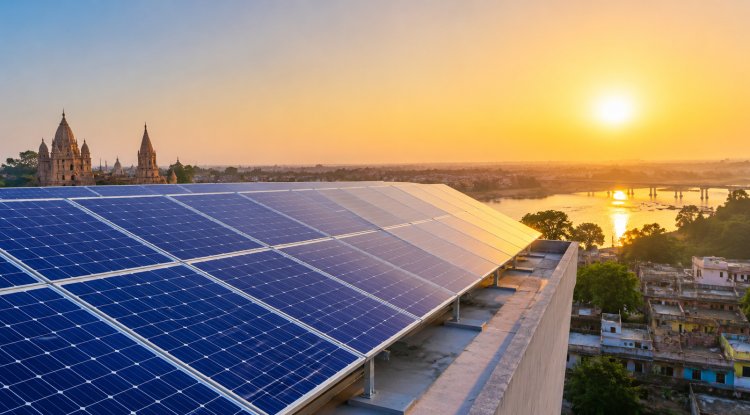
The Union Cabinet has approved a ₹2,584 crore scheme to support 1,500 MW of small hydro power capacity, focusing on decentralised renewable energy in remote and hilly regions.
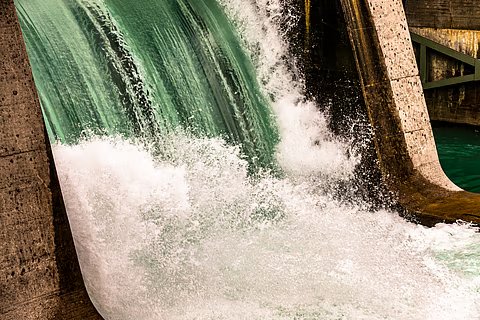
The Union Cabinet has given approval to a scheme that has been set at ₹2,584.60 crore. The scheme is intended to support small hydro power schemes between FY 2026-27 and FY 2030-31. The scheme is targeted at adding 1,500 MW.
The scheme is intended to support projects that are between 1 MW and 25 MW in capacity, to promote decentralised renewable energy, especially in hilly and remote areas across the country, which is targeted to attract ₹15,000 crore.
More financial assistance will be given to the North Eastern states, as well as the districts that are on the international border. These states will get up to ₹3.6 crore per MW or 30% of the total cost, whichever is less, up to ₹30 crore per project. The other states will get up to ₹2.4 crore per MW or 20% of the total cost, whichever is less, up to ₹20 crore per project.
Of the total outlay, ₹2,532 crore has been allocated for project implementation. Another ₹30 crore has been set aside to support the preparation of detailed project reports (DPRs) for around 200 projects to build a future pipeline.
The government stated that the scheme could generate about 51 lakh person-days of employment during construction, along with jobs in operation and maintenance. Most projects are expected to be located in rural and remote areas.
Small hydro projects are generally run-of-the-river systems and do not require large reservoirs. This reduces land acquisition and displacement compared to large hydropower projects. Their decentralised nature also limits the need for long transmission lines, lowering transmission losses.
The scheme requires the use of domestically manufactured plant and machinery.
Small hydro capacity in India is estimated at over 20 GW, primarily in the Himalayan and North Eastern regions. The addition of capacity in this sector has seen a slowdown over the past few years due to financing problems and delays in clearances.
It was also explained that the scheme was intended to provide financial support and also encourage the states to prepare project proposals.
The outcome of the scheme would depend on the execution of the projects and the speed with which the projects are implemented.
What's Your Reaction?