Record June temperatures across Europe have disrupted transport, schools, and power systems, as prolonged heat raises health risks and puts pressure on public infrastructure.
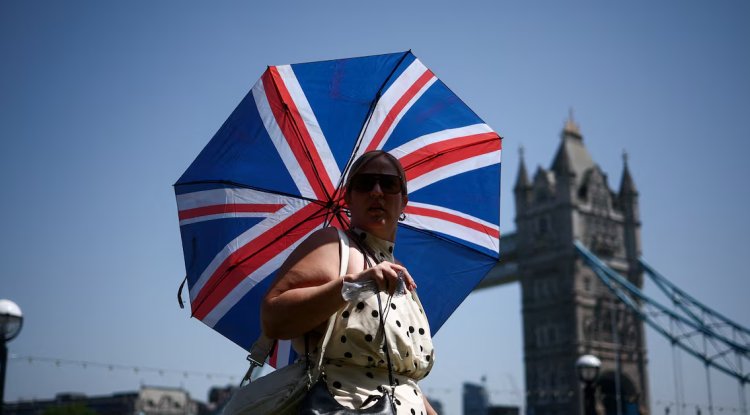
A long-lasting heat wave led to record-breaking temperatures being recorded in some parts of Europe, leading to heat warnings, disruptions in travel, and closures of educational institutions and other public facilities.
Some countries, such as France, Spain, Italy, and the UK, experienced record-high temperatures in June. Warnings were issued by health organizations concerning seniors, children, individuals with pre-existing medical conditions, and outdoor workers, as emergency services had to attend to patients with heat-related illnesses.
The extreme weather conditions also had an impact on people’s daily lives since rail companies decreased train services due to the fact that high temperatures might be damaging to the tracks and overhead wires. Some schools had to cut down their operating hours because classrooms have become unsafe without proper cooling systems. Overuse of air conditioners caused strain on electricity supplies in some areas.
The heat wave occurred due to a persistent high-pressure area over Western and Central Europe, which contributed to the spread of hot air from North Africa across the whole region and prevented the movement of cool Atlantic air.
The greatest effects occurred at nighttime. Nighttime temperatures remained unseasonably high in most cities, reducing the chances of people enjoying coolness at night when sleeping or working inside public buildings. High nighttime temperature is regarded as a health risk due to the body’s inability to recover from the daytime heat.
According to climate records, Europe has recorded higher warming trends in comparison with all other continents. Average global temperatures have contributed to the increase in the number of heat waves and also put strain on transportation, healthcare facilities, power, and water distribution infrastructure.
In Europe, governments initiated heat emergency programs, established cooling centers, and issued warnings to citizens to drink plenty of water, refrain from physical exertion during the hottest time of the day, and keep an eye out for friends and family members who are vulnerable to heat exhaustion.
The current heat wave highlights the vulnerability of the infrastructure built in accordance with a previous climate scenario. The lack of air-conditioned schools, outdated transportation, and electrical grids are under stress due to long periods of extreme heat.
What's Your Reaction?