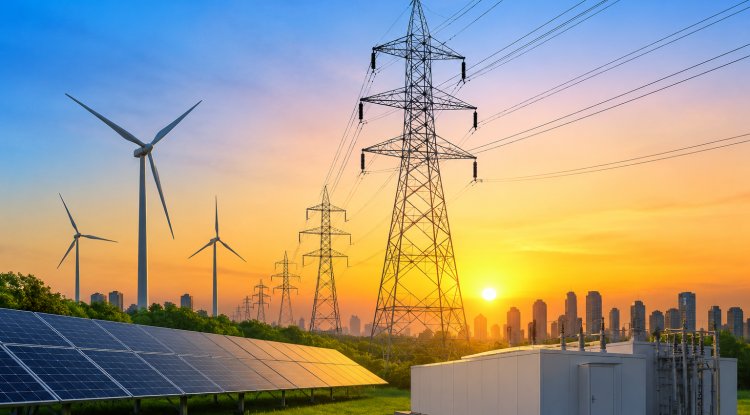
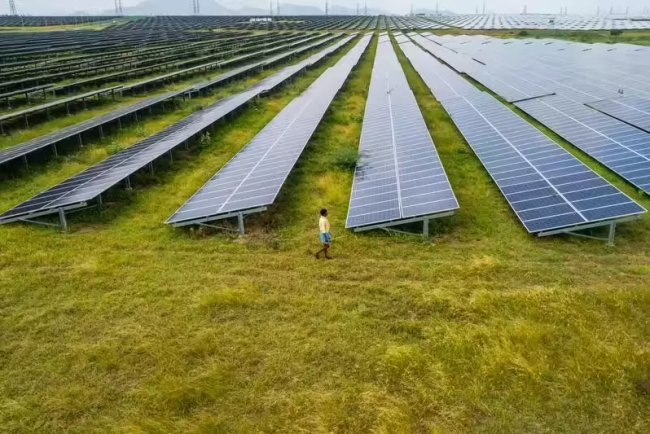
India is stepping up efforts to localise its solar and green hydrogen supply chains by expanding domestic manufacturing of critical components and reducing reliance on imports to strengthen long-term energy security.
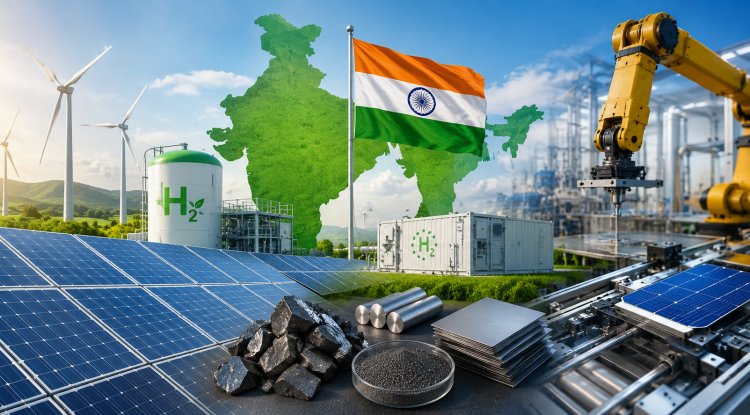
India is undertaking a massive and ambitious green energy transition and is striving to reshape its economic future while becoming a global climate leader. Solar projects continue to expand across rural areas, while cutting-edge green hydrogen initiatives are transitioning from concept to reality. However, this pioneering step towards sustainability is facing a critical challenge. Although India has developed substantial capabilities in manufacturing complete solar modules domestically, it remains highly dependent on imports for specialised components, raw materials and advanced technology equipment. The government is undertaking a significant policy push to localise the entire clean energy supply chain from the ground up to protect its clean energy future from external disruptions.
A comprehensive government review has been initiated to identify and address these technological gaps. Planners are now examining each component in detail to understand which items generate high import dependence, especially from land-border countries or through vulnerable global trade corridors, rather than celebrating overall gigawatt achievements. The strategy places particular emphasis on the midstream and upstream sectors, which are strategically important but remain underdeveloped in domestic manufacturing. In the solar industry, attention is now turning to key components such as advanced solar inverters, high-quality polysilicon and the precision manufacturing machinery needed to produce next-generation solar cells locally. At the same time, the green hydrogen roadmap is focusing on highly technical components such as bipolar plates, specialised electrodes, catalysts and advanced electrolyser units.
This policy push is timely, given India's enormous ambitions in the clean energy sector and the limited room for failure in the supply chain. India already has an installed manufacturing capacity of approximately 225 GW for solar modules and 30 GW for solar cells. Experts note, however, that the global market is rapidly shifting towards more advanced solar cell architectures, including tunnel oxide passivated contact (TOPCon) and heterojunction cells. Highly sophisticated and precise equipment is required to manufacture these high-efficiency cells. So far, this equipment has been dominated by overseas suppliers offering competitive prices that domestic manufacturers have been unable to match. This has created a dependency in which Indian developers must continue relying on overseas suppliers to upgrade their factories with the latest technology.
The situation is no different in the nascent green hydrogen industry, which many regard as a key technology for decarbonising heavy industries such as steel, chemicals and long-distance transport. The policy push for hydrogen adoption is very strong, but India does not currently have the domestic expertise to produce high-tech components or access the rare and specialised materials essential for commercial electrolysers. Establishing a secure hydrogen economy is not simply about building new factories; it also requires investing in materials science research, providing long-term capital incentives and developing a highly specialised engineering workforce capable of driving innovation.
The government is trying to break these chains of dependency by using a variety of policy instruments designed to reduce import dependence. Regulations already require that solar cells and modules used in public projects come from the approved list of domestic manufacturers, providing local companies with a guaranteed market. In the future, stricter regulations for the domestic production of ingots and wafers will be implemented, starting from the 2028 fiscal year. These forthcoming regulations are specifically intended to encourage developers to strengthen domestic manufacturing and build real production capacity in India rather than relying on imports.
These localisation priorities adopted by the government are practical and focus on components with high economic value, critical supply chain importance and strong potential for domestic production. The country aims to prioritise these key areas, creating a protective barrier for its clean energy industry while safeguarding it from global supply chain disruptions, geopolitical conflicts and volatile freight prices. This proactive approach is changing the way large industrial companies plan their long-term investments, with an emphasis on developing meaningful partnerships with technology leaders around the world to promote technology transfer.
In the end, India's assertive push to build its clean energy value chain demonstrates that a successful green transition requires much more than simply deploying finished products. Real energy security depends on controlling the core technologies, raw materials and machinery that power the entire energy system. India's clean energy revolution is being built on a strong foundation by addressing upstream vulnerabilities and fostering a culture of local innovation. As domestic manufacturing capabilities continue to expand, the country will not only meet its environmental goals but also strengthen its economic and industrial future.
What's Your Reaction?