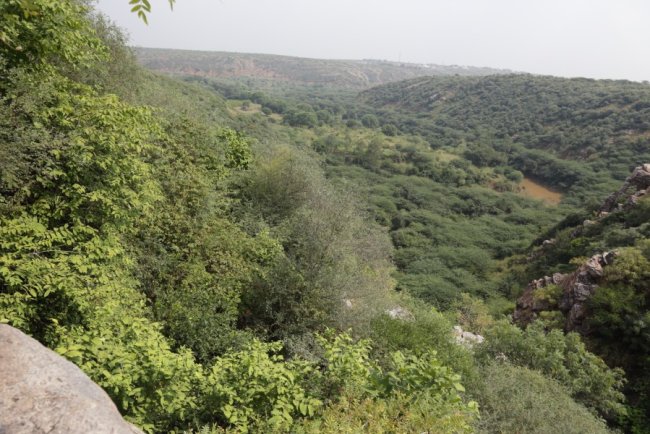
A coal mine in Chhattisgarh’s Surguja district is being restored through large-scale afforestation, with over 1.6 million trees planted across reclaimed land. The project highlights how mine rehabilitation is being used to restore biodiversity and green cover after coal extraction.
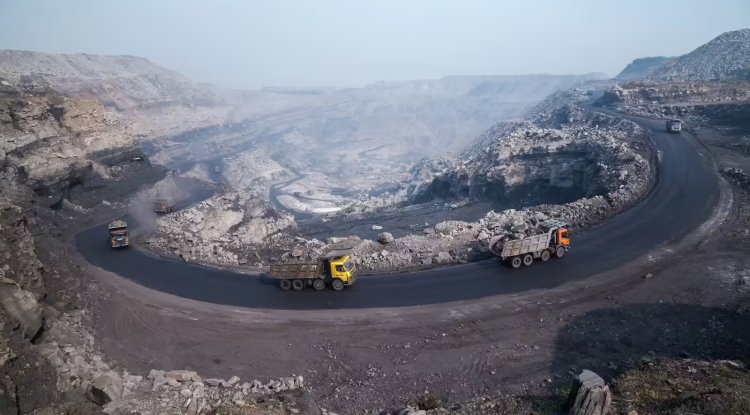
An area of a coal mine in the Surguja district of Chhattisgarh has been turned into an extensive afforestation project, with over 1.6 million plants already grown in the reclaimed area of the Parsa East and Kanta Basan (PEKB) mine.
Over 568 hectares of mined land have been included in this plantation drive. As per the claims made by the mine operator, the afforestation drive will be increased even further, and the goal set for this is that of growing more than four million plants by 2030.
The scheme is part of the initiatives for restoring the land that had undergone mining activity. The plantations in the PEKB mines include Sal, Mahua, Tendu, Amaltas, and Sidha, among others.
According to the company, 40 trees have been planted for each tree cut down during mining activities. The company also indicated that the survival rate for planted trees and saplings is about 88%.
Mining land reclamation often involves soil stabilisation, reforestation, and habitat creation as ways of restoring reclaimed lands. This is meant to lower the negative impacts on the environment and help restore flora and fauna to their natural habitats.
Mine reclamation, according to scientists, can play a key role in conserving soils and helping with groundwater recharge.
The Surguja project is among the many initiatives that have been undertaken in India’s mining industry to reclaim land following mining operations. Forestation and rehabilitation of land projects are currently gaining popularity as part of post-mining practices.
The long-term effects on the environment resulting from such initiatives are commonly measured using criteria such as survival rates of trees, plant development, and biological diversity.
What's Your Reaction?