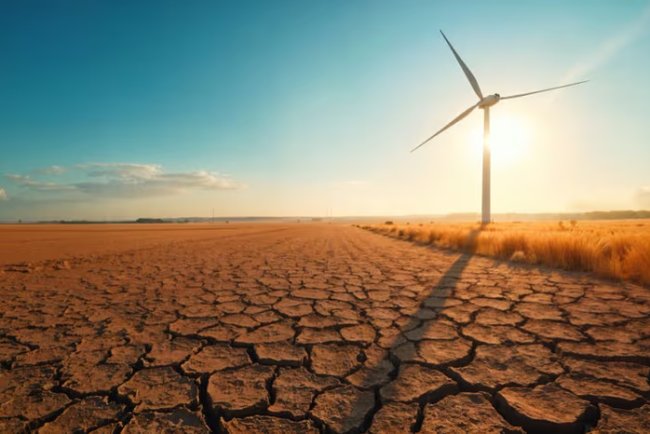
China experienced its highest recorded number of high-temperature days in 2025, tying its record annual average temperature at 10.9°C, with widespread extreme heat and rainfall affecting multiple regions.

China experienced the most high-temperature days on record in 2025, with the national average annual temperature reaching 10.9°C, matching the previous record set in 2024, according to the country’s Meteorological Administration, as covered by Reuters. The climate report for 2025 had extreme temperatures and rainfall over long durations throughout the areas of Central, Eastern, and Northern China, raising concerns for the increasing impact of climate change on threats from natural disasters. The report also pointed out that 2025 was considered one of the three hottest years ever experienced.
According to the China Meteorological Administration, 2025 has seen the highest average temperature of any year in China's national temperature records since recording began in 1961, reaching 10.9 °C – matching 2024 for the record. The total number of high-temperature days (defined as days where the temperature is at least 35 °C or higher) has reached an unprecedented level, indicating an extended period of very high temperatures from late June through early September in both central and eastern China.
In the northern part of China, much of the precipitation, both in terms of total amount and duration, has also reached a record high, and western China has experienced its heaviest recorded amount of autumn rainfall, indicating that extreme weather was not limited to just heat-related extremes. The combination of heat and rain will create greater risks of flooding and other types of natural disasters.
Trends in temperature and heat extremes across China mirror those of global warming trends. In the most recent report by the World Meteorological Organization, the United Nations, the top three global temperature years were 2025, 2026, and 2027. The increase in average global temperatures is exacerbated by greenhouse gases produced by human activity, which account for the majority of those changes globally.
China's record number of extreme heat days in 2025 is consistent with long-term global trends in warming temperatures. In many areas of the planet, the recent frequency and intensity of heatwaves, as well as changes in the historical pattern of when heatwaves occur and how long they last, have been made evident by the record number of extreme temperature days in 2025. While the average temperature across the country is consistent with the previous record, there has been an increase in the number of days hotter than 35 °C per year compared to past historical averages, underscoring the growing impacts of extreme heat.
For long-standing periods throughout the peak summer months, temperatures in central and eastern China exceeded 35 °C, resulting in substantial levels of heat stress to populations, infrastructure, agriculture, and energy systems. The northern provinces experienced previously unseen amounts and durations of rainfall during 2021, which exacerbated multiple types of weather challenges.
In western China, the Autumn months brought more rainfall than any other year in recorded history, illustrating how extreme weather events fall outside of the typical seasonal patterns. A combination of extreme heat and heavy rainfall suggests that China has undergone a significant climatic shift that requires all areas within China to adapt and prepare for disaster.
The record amount of excessively hot days in China occurring in 2025 reflects an important change in climate trends within this country and adds to the evidence of global climate change impacts. The combination of higher average temperatures and heavier average precipitation is leading to a complex array of challenges for many aspects of society, such as public health, water resource management, agriculture, and disaster response systems.
It is expected that climate scientists and policymakers will use the 2025 climate bulletin as a framework for making plans, bolstering the need for all levels of society to implement and develop climate mitigation strategies and resilience plans. The extreme weather events that are occurring in 2025 are also consistent with broader trends that anticipate an increase in both the frequency and intensity of future extreme weather events as a result of climate change.
What's Your Reaction?