Climate Crisis Threatens UK Farmers’ Livelihoods
UK farmers face income loss, crop failures, and rising fears over food security due to worsening climate impacts.
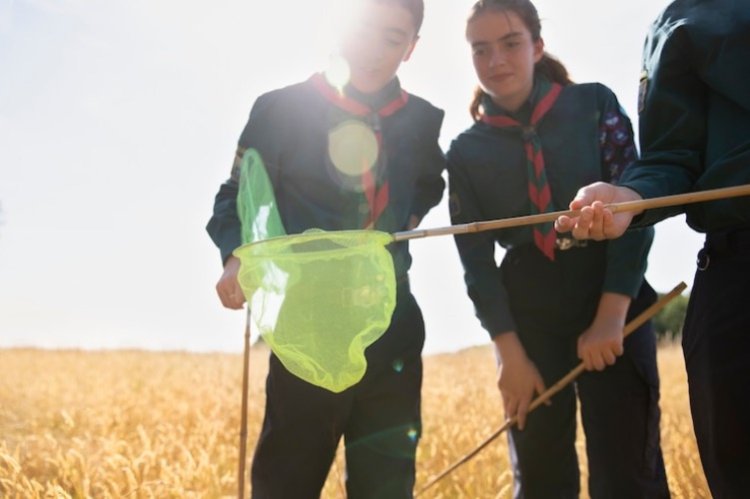
Increasing numbers of UK farmers are ringing the alarm on the "catastrophic" effects of climate change on farming, with extreme weather and global warming, they claim, putting at risk not only their livelihoods but Britain's food. The Energy and Climate Intelligence Unit (ECIU) new report presents a grim picture of how the rapidly mounting climate crisis is hitting those individuals who toil at the very center of Britain's food chain.
The survey, carried out among 300 farmers throughout the UK, found that over 80% are extremely concerned that climate change is likely to severely impact their ability to make a living. They are right to be. An astonishing 87% of farmers have noticed productivity loss due to extreme weather in recent years, with 84% noticing reduced yields from crops and more than three-quarters noticing declining revenues. These revelations come as increasing evidence continues to emerge that the impacts of climate change are now being experienced throughout the farming industry on a record level.
Drought over the last five years alone alone has affected 78% of British farmers, and over half have been affected by the destruction impacts of heatwaves. Meanwhile, other forms of extreme weather like floods, storms, and unusual temperature swings are occurring more frequently and haphazardly. Just 2% of the farmers reported that they had not been affected by extreme weather — and this is a figure that gives an idea of the extent and magnitude of the crisis.
All this increasing randomness in the climate is turning the old models of farming more and more unsustainable. Farmers who once counted on the reliability of cyclical seasons are now being forced to adapt to a new reality of uncertainty. Spring 2025 is already on record as the hottest and one of the driest springs in the UK's history, and alarm is being raised over this year's harvest. Income from UK arable crops fell by over £1 billion in the previous year, one of the steepest falls in decades, reports indicate. The outlook for the future is grim, and further fears are rising that the crop in 2025 will be an even worse disaster.
Anthony Curwen, an arable farmer from Kent, summed up the growing anxiety across the farming community. “It’s getting increasingly difficult to farm given the impacts we’re now seeing with climate change,” he said. “We’ve gone from extreme drought to biblical floods and back to drought in the space of just a few years. It’s devastating, and many of us in farming now fear for a sustainable future.”
The problem lies not only with farms but also with consumers. The United Kingdom's top retailers have pinned the hike in food item prices on climate disturbance in crops. The British Retail Consortium, an umbrella organization that speaks for more than 200 of the biggest retailers in the UK, recently said that record levels of food prices are directly caused by poor weather conditions impacting crop yields domestically and worldwide. With the rising temperatures across the world, supply chains are being stretched, and the cost is being transferred to consumers at the checkout counters of stores.
Tom Lancaster, a researcher at ECIU, was keen to stress the urgency: "Farmers are at the forefront of climate change, and this work demonstrates what effect that is having on their livelihoods and on them. It is vitally important that policymakers and the public can see just how exposed our food system is becoming."
The research indicates that unless more forceful action is taken to reduce climate change and assist farmers in adapting to it, the UK may experience long-term disruption to its domestic food supply. Farmers are urging more support for embracing resilient farming methods, better access to climate data, and smarter government policies that incorporate the agriculture interests into climate action plans.
There are also demands that the UK spend more on research and infrastructure supporting sustainable agriculture. These encompass better water management equipment to deal with drought and flooding, diversification measures for crops to reduce risk, and advanced forecasting equipment to enable farmers to plan under increasing uncertainty.
The UK farmers' warning is only one part of a growing worldwide crescendo since farm communities across the world have much to complain about. From India's monsoon-based farming tracts to drought-stricken fields in the U.S., impacts of climate change are touching no farm country. But the UK situation is especially critical because of the nation's dependency on imported and domestic food, as well as its susceptibility to volatile changing global supply chains.
With the 2025 harvest looming, the future is uncertain. One thing is, though, and that is that the climate crisis has ceased to be a future threat — it is now a reality, destroying lives, devastating businesses, and imperiling the future of UK farming. Unless there is urgent and collective action, both in the industry and from government, the effects could be disastrous for consumers and farmers alike.
What's Your Reaction?