A UN assessment finds that countries are increasing efforts to improve resource efficiency, reduce waste and expand circular economy policies ahead of the 2030 Sustainable Development Goals deadline.
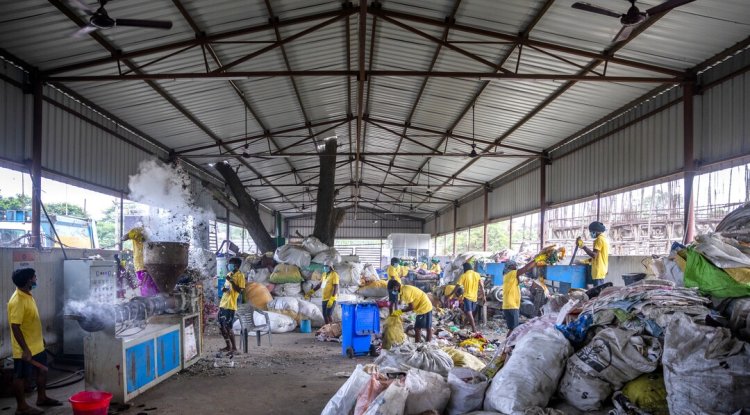
The adoption of circular economy policies by governments around the world is on the rise amid the growing closeness of the 2030 target set by the UN Sustainable Development Goals (SDGs), states a new UN report.
According to the findings of the assessment, nations are taking steps to promote policies geared towards minimizing waste, better management of resource use, as well as the reuse and recycling of materials. These initiatives have been designed to relieve pressure on resources as well as tackle increased levels of waste production.
The circular economy concept seeks to achieve extended usage of products/materials through processes such as repair, reuse, reconditioning, and recycling of products. Unlike the conventional economic system that involves the extraction, usage, and disposal of resources, the circular economy emphasizes recycling.
As revealed by the assessment, several nations have developed national strategies, roadmaps, and/or action plans targeting circular economies.
As highlighted in the report, global material consumption has risen in recent years. An increase in the consumption of resources has seen the development of waste generation as well.
There have been measures like recycling goals and material reutilization programs designed by many governments to aid in increasing material utilization and minimizing disposal. Countries like Germany have implemented recycling programs that promote the reuse of materials and efficiency in production processes.
As mentioned earlier, there is uneven progress as far as the policies are concerned. Though there are countries with strong policy frameworks in place, there are others that are just getting around to implementing their own. There are differences in infrastructural capabilities and funding among the nations.
Some of the factors hindering efficient recycling include the non-existence of recycling facilities, poor waste collection practices, and inadequate investments in the same field.
In terms of linking the circular economy to the Sustainable Development Goals, the report found that the SDGs related to responsible consumption and production, climate action, and sustainable economic development were among those addressed by circular economy initiatives.
Given that there is less than five years to go until 2030, more needs to be done to increase the magnitude of circular economy implementation. Resource management, waste prevention, and material efficiency will continue to play a crucial role in the national policy agenda.
This highlights the increased interest in sustainable materials management as a means to reach development goals.
What's Your Reaction?