DBS Identifies Investment Routes in Growing Nuclear Energy Sector
DBS Bank highlights investment opportunities in nuclear energy, including uranium, utilities, and reactor manufacturers, as demand rises amid global decarbonisation and energy needs.
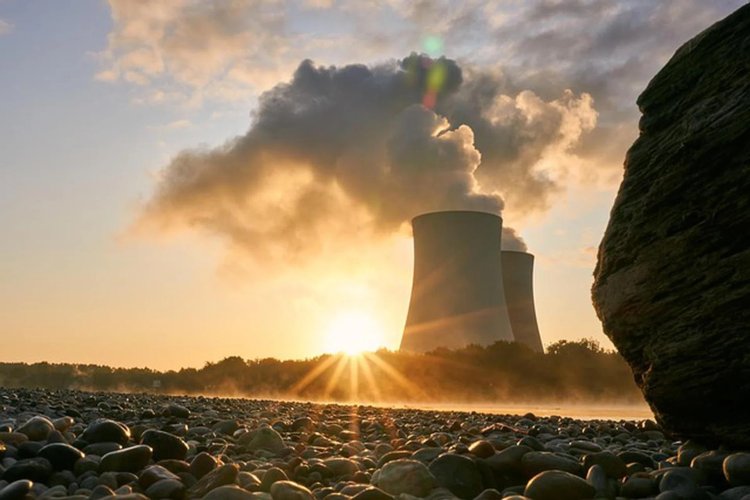
With international interest in decarbonisation as well as energy diversification, DBS Bank has found several means through which investors can get into the nuclear energy industry. In its most recent Chief Investment Officer Vantage Point report published on 16 June 2025, nuclear energy is poised to enter a new era of growth with robust prospects spurred by rising global demand for electricity, particularly with the creation of artificial intelligence (AI) infrastructure.
States are once again considering nuclear power as a low-carbon energy source that can assist in fueling net-zero ambitions. The return to nuclear is also underpinned by advancements in small modular reactors (SMRs) offering potential benefits over existing nuclear stations such as reduced up-front costs and greater flexibility in deployment in sites previously unsuitable for nuclear power plants.
DBS identifies some conduits by which investors can tap into nuclear energy. The most straightforward one is physical uranium because as nuclear power increases, demand for the metal would increase. Even while uranium prices have increased by over 160% since the end of 2019—trumping commodities like gold and oil—prices remain much lower than in 2007. Investors can gain exposure to uranium through futures, exchange-traded funds (ETFs), or physical uranium holding companies.
The bank also lists uranium mining companies as prime beneficiaries of a nuclear renaissance. Producers' miners have given good performance between the years 2022 and 2024, sometimes beating the S&P 500 Index. Although exploration and development companies are risky, producers with a solid history behind them will tend to have more stable returns as the commodity prices stabilise.
Nuclear power generation utility companies offer another investment choice. Standalone power producers like Vistra, Constellation, and NRG Energy registered consistent performance in 2024. This is also contributed by increasing interest from technology companies and data centres looking for stable clean energy sources like nuclear to fuel AI activities. Utility investments also face macroeconomic variables like interest rates and the trend of electricity consumption.
The document discusses the risk of policy reversal in America, specifically if clean-energy tax credits under the Inflation Reduction Act are reversed. However, nuclear energy has enjoyed bipartisan support in the US and can reasonably escape future budget cuts and continue to enjoy incentives.
DBS also looks at the possibility of investing in nuclear reactor makers. Companies like General Electric and Rolls Royce are developing advanced reactor technology, such as SMR designs on a proprietary scale. Rolls Royce is one of the firms planning to commercialise SMRs in the near term. Currently, there is only NuScale Power, a pure-play SMR company listed on the public stock exchange, but it is a tiny and loss-making entity. DBS forecasts more private nuclear technology firms to list over the next couple of years, widening the investible universe.
There are also private market opportunities in new-generation nuclear tech, like Generation IV reactors. These are in development now to provide improved safety, efficiency, and scalability. Investment in the early stages of these technologies could reap bountiful returns if they see wider adoption.
DBS puts to rest long-standing issues with nuclear power, especially those related to safety and environmental hazard. According to historical data, nuclear power has one of the lowest mortality rates for terawatt hours of electricity produced, most notably compared to fossil fuels like coal and oil. Nuclear power is also beneficial in terms of good energy return on investment, albeit at relatively low costs of production.
But dangers are posed, especially in the nuclear fuel chain. Kazakhstan presently supplies approximately 46% of raw uranium globally, and Russia maintains an interest in almost half of global nuclear enrichment capacity. This kind of concentration is more susceptible to geopolitical tensions. Additional fears include disposing of radioactive waste, hindering nuclear weapons proliferation, and removing public stigma from previous nuclear accidents such as the 2011 Fukushima disaster.
In spite of such issues, DBS is convinced nuclear power will continue to increase its contribution to future energy systems. The combined pressure from governments, firms, and investors towards decarbonisation and energy security will drive nuclear adoption. The bank observes that with increasingly sophisticated reactor technologies coming of age and evolving regulatory frameworks, investment prospects in the industry will expand meaningfully.
The facts in this report are derived from DBS Bank Chief Investment Officer Vantage Point, 16 June 2025, and published by The Business Times.
What's Your Reaction?