Delhi is expected to receive more rain over the next two days as the IMD issues a yellow alert, bringing cooler temperatures but raising the risk of waterlogging and traffic disruptions.
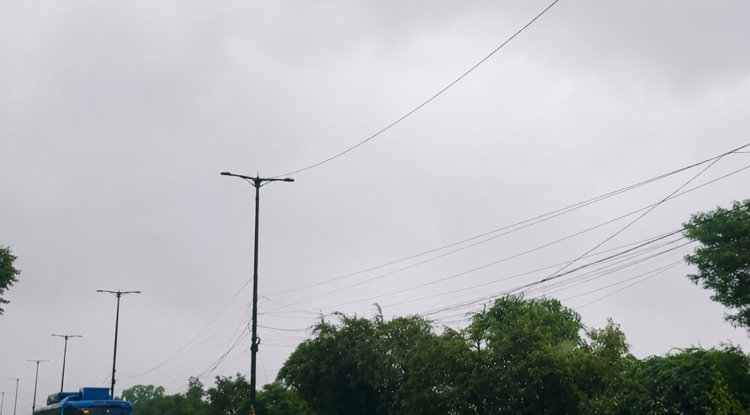
Delhi is expected to receive more rainfall in the coming two days as the India Meteorological Department (IMD) has declared a yellow alert for the national capital region with warning of thunderstorms, lightning and gusty winds due to active monsoon conditions. The recent spell of rain has brought much-needed relief from the humid and scordching heat when the daytime temperatures reached to 40°C and now temperatures have dropped by 5–6 degrees below normal.
The maximum temperature will vary between 36°C and 38°C, while the minimum temperature will be around 26°C to 28°C, according to the IMD. There will be clouds prevailing during the day, and there will be rain in most places, and heavy showers in some places.
The meteorological system associated with the rainfall is connected to a monsoon trough that extends over the northern part of India. The system is getting moisture-filled winds from both the Arabian Sea and Bay of Bengal, thereby setting up favourable conditions for rain in the Delhi-NCR area and other regions as well. These conditions are expected to prevail in the coming days.
Rain Brings Relief but Raises Urban Challenges
The showers have significantly reduced the day's heat, improving outdoor conditions after several days of high humidity. However, heavy rainfall could also disrupt normal life across the city.
The IMD has warned that due to the excessive rainfall, there may be some temporary flooding in the low-lying areas as well as slow movement of vehicles and visibility problems in road transport during the peak hours. The residents have been asked not to travel on flooded roads and stay home in case of thunderstorms.
Delhi often face waterlogging issue when heavy rainfall occurs and it expose its poor drainage systems, rapid urbanisation and the growing number of concrete roads and buildings in the city. These have reduced the city’s capacity for absorbing water due to rainfall.
Part of a Broader Monsoon Pattern
The latest spell of rainfall has come mainly due to the southwest monsoon still being active in northwestern parts of India. Delhi is not the only place that is likely to have rains, but also its neighbouring states such as Haryana, Punjab, Uttar Pradesh, and Rajasthan.
Meteorologists have observed that although the monsoon has proceeded well this year, rainfall has been unevenly distributed with some areas having long dry spells while others have recorded intense rainfall during short durations of time. These types of patterns are becoming more and more frequent and pose difficulties in terms of water management.
Climate Signals Becoming Harder to Ignore
Experts say that no single rain event can be linked to the global warming alone. However, as the temperatures increases, the air holds moisture and increase the chance of heavy rainfall in various regions in India.
For cities like Delhi, changing rainfall patterns underscore the increasing significance of having climate-proof infrastructure in place. According to experts, there is going to be an increased need for investments in state-of-the-art storm water drainage systems, permeable pavements, urban wetlands, rain water harvesting and flood forecasting.
What the Yellow Alert Means
Yellow alert by IMD is only supposed to be a warning to citizens to inform citizens about any changes in weather conditions. Though there is no threat of any widespread disruption due to the said weather system, localized rainfall, thunderstorms, and winds can disrupt travel and energy supplies in some regions.
What's Your Reaction?