Delhi has approved a new Electric Vehicle Policy that offers incentives for EV adoption, phases out new fossil fuel-powered vehicles in stages and expands charging infrastructure to reduce transport-related pollution.
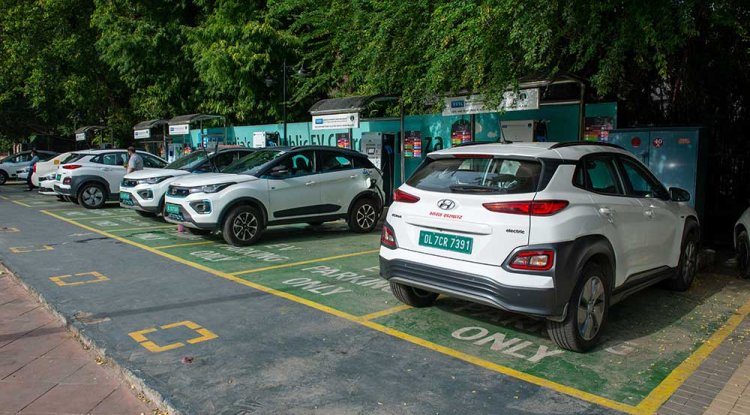
The Delhi government has rolled out an Electric Vehicle (EV) Policy that seeks to curb pollution caused by transportation on roads through increased adoption of electric vehicles via subsidies, incentives for vehicle exchange, and stringent vehicle registration criteria. The policy will be valid up to March 31, 2030.
Individuals who exchange their old petrol/diesel cars for electric cars will receive incentives between ₹5,000 and ₹1 lakh, depending on the segment. Consumers who buy electric two-wheelers and three-wheelers will get purchase incentives, and road tax and registration incentives will also apply.
The policy has also made provisions for timelines for ending the registration of new vehicles in certain segments using fossil fuels. Starting from January 2027, only electric three-wheelers and light commercial vehicles will be registered in the national capital. By April 2028, the registration of petrol/diesel two-wheelers will cease.
To facilitate the shift, the Delhi Government will seek to increase the capacity of the existing charging stations in the city by installing thousands of new charging points.
Road transportation is one of the biggest sources of pollution in Delhi. Vehicle emissions combined with the emissions from industries, construction dust, and crop-burning in the surrounding states create a polluted environment. Pollution levels usually increase in winter due to the effect of stagnant air that traps pollutants close to the ground surface.
Fine particulates, or PM2.5, frequently exceed the international safe limits in the capital of India. Chronic exposure to fine particles is associated with an increased risk of developing respiratory and cardiovascular diseases and early deaths.
The policy draws on previous measures aimed at promoting the use of electric vehicles, such as tax and subsidy incentives for EV purchase and development of the charging infrastructure. However, despite the growing popularity of electric vehicles, petrol and diesel cars remain dominant in the transportation system of Delhi.
Electric mobility will help lower greenhouse gases from the transport industry in the future, but how much will be dependent on how quickly the change happens and whether there is availability of charging stations.
The policy is made at a time when the city of Delhi is looking for ways in which it can solve the problem of air pollution, an issue that affects the city regardless of the season.
What's Your Reaction?