TACC Limited and NCB have signed an MoU to develop sustainable, high-performance concrete using graphene-based additives, aiming to reduce carbon emissions.
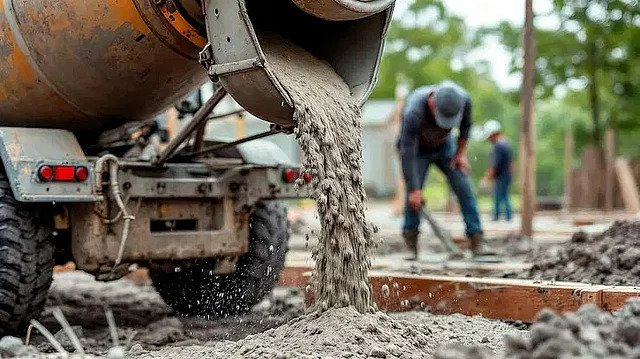
TACC Limited, a leader in advanced materials, has signed a Memorandum of Understanding with the National Council for Cement and Building Materials (NCB) to develop sustainable, high-performance concrete using graphene-based additives. This collaboration aims to enhance concrete strength and durability while reducing carbon emissions, aligning with India’s net-zero goals. This article explores the partnership’s objectives, the role of graphene, and its potential impact on the construction industry.
TACC Limited, a subsidiary of the LNJ Bhilwara Group, specialises in synthetic graphite and graphene derivatives, used in electronics, energy storage, and construction. Graphene, a single layer of carbon atoms in a hexagonal lattice, offers exceptional strength, conductivity, and lightweight properties. By integrating graphene into concrete, TACC and NCB aim to improve its performance, making it more durable and resistant to wear. This could extend the lifespan of infrastructure, reducing maintenance costs and environmental impact.
The National Council for Cement and Building Materials, under the Ministry of Commerce and Industry, is India’s premier research body for cement and construction technologies. It focuses on technology development, quality assurance, and consumer protection. The partnership leverages NCB’s expertise in concrete technology and TACC’s innovative additives to create next-generation construction materials. The collaboration also includes a pilot plant in Ballabhgarh, Haryana, to capture 2 tonnes of CO₂ daily using oxygen-enhanced calcination, transforming it into lightweight concrete blocks and olefins.
Concrete production is a major contributor to global CO2 emissions, accounting for 8% of the total. India, the world’s second-largest cement producer, faces pressure to decarbonise this sector. The TACC-NCB initiative addresses this by reducing the carbon footprint of concrete through graphene’s ability to enhance strength with less material. This aligns with India’s climate commitments and the Global Cement and Concrete Association’s goal of net-zero emissions by 2050. The use of industrial by-products like fly ash and slag further supports sustainability by reducing waste.
The partnership also tackles practical challenges. Traditional concrete requires significant energy and water, contributing to environmental degradation. Graphene-enhanced concrete could reduce the need for cement, lowering energy consumption during production. Additionally, the pilot plant’s carbon capture and utilisation technology aims to mitigate emissions directly at the source, offering a scalable model for the industry. If successful, this could set a benchmark for sustainable construction in India and beyond.
However, scaling this technology faces hurdles. Graphene production is costly, and integrating it into concrete requires precise engineering to maintain affordability. The industry also needs to overcome regulatory barriers and ensure market acceptance of new materials. TACC and NCB are addressing these by conducting extensive testing and collaborating with stakeholders like JK Cement to validate the technology’s commercial viability.
The broader implications are significant. India’s cement demand is projected to reach 450.78 million tonnes by 2027, driven by infrastructure and housing needs. Sustainable concrete could reduce the sector’s environmental impact while meeting this demand. The partnership’s focus on carbon capture and utilisation also aligns with the Department of Science and Technology’s initiative to establish five CCU testbeds in the cement sector, announced in May 2025.
This collaboration positions India as a leader in green construction. By combining TACC’s material innovation with NCB’s research capabilities, the initiative could transform infrastructure development, making it more sustainable and cost-effective. As global demand for eco-friendly materials grows, this partnership could serve as a model for other nations striving to balance development with environmental goals.
Source: Outlook Business
What's Your Reaction?