Electric Vehicle Connector Market Set For Rapid Growth
Electric Vehicle Connector Market is growing rapidly, driven by increased EV adoption and charging infrastructure expansion.
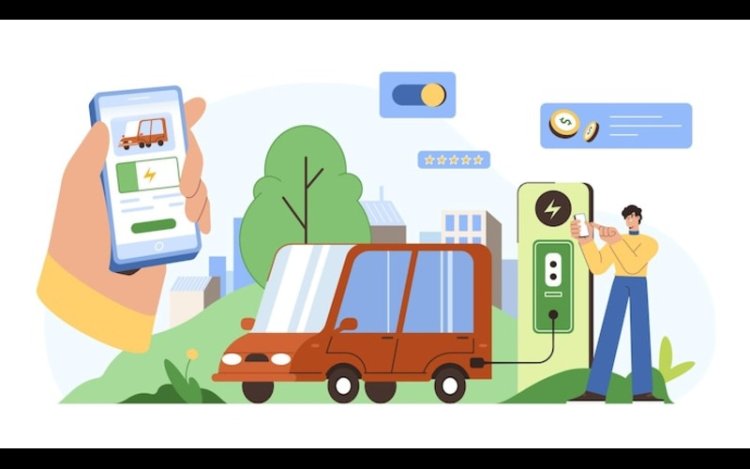
Electric Vehicle (EV) Connector Market is witnessing impressive growth with an increased demand on account of accelerated worldwide shifts in electric mobility. In 2021, it was valued at USD 47.35 billion, growing in 2022 to USD 56.2 billion and potentially reaching an remarkable USD 221.48 billion by the end of 2032 with an impressive compound annual growth rate (CAGR) of 18.70% from 2023-2032.
This growth is led mainly by the growing uptake of fast-charging electric vehicles, the rapid deployment of EV charging infrastructure in countries, and the growing environmental awareness among consumers. As electric vehicles become more popular compared to conventional fuel-powered cars, the need for supporting technologies like connectors is gaining momentum. These connectors are critical components that facilitate the transfer of electricity from charging points to the battery of the vehicle, and thus they are a critical component of the electric mobility value chain.
Governments across the globe are actively promoting the use of electric vehicles through subsidies, tax relief, and aggressive emission-cut goals. As a part of this change, a visible investment has been made in the construction of EV charging infrastructure, especially in nations such as the United States, China, Germany, and Japan. This infrastructure increase is further driving the demand for EV connectors.
The market for EV connectors covers a vast array of solutions for varied types of vehicles and charging rates. Charging systems are widely classified under AC (Alternating Current) and DC (Direct Current) connectors. AC charging is typically employed in households and public places for slow, overnight charging, whereas DC charging delivers high-speed charging in commercial environments and on highways, allowing significantly quicker recharging. Technological innovation in connector design is enabling better heat management and greater efficiency, resulting in the newest connectors being safer and faster.
Market innovation is robust, with manufacturers actively working on smarter, standardized solutions that can be used across several EV brands. This trend toward universal compatibility is not only making the user experience easier but also accelerating the adoption of EVs worldwide.
A few key players hold significant market shares in the EV connector market. TE Connectivity, Yazaki Corporation, Sumitomo Electric, ITT Inc., Schneider Electric, Amphenol Corporation, and Tesla, Inc. are some of the leading players that are heavily investing in R&D to enhance performance, longevity, and safety. Others such as ABB and Leoni AG are also increasing their portfolios to address increasing global demand. The companies are concentrated on improving product lines and increasing their market presence in emerging economies.
Even with the optimistic prediction, there are challenges confronting the industry. One of them is that there is no standardization of various regions, and this can result in incompatibility between EVs and charging points. For instance, connectors in Europe might be incompatible with those in Asia or North America. This variety in types of connectors makes it harder to use for consumers and inhibits easy global expansion of charging networks.
The prohibitively expensive setup of EV infrastructure, especially fast-charging points, is also a limitation. For most developing countries and small businesses, these investments are still a major obstacle. Additionally, technical issues like overheating while fast charging can influence both safety and battery life, necessitating further innovation and regulation.
Consumer education is another area where there is scope for improvement. Although the demand for electric vehicles is increasing, there is still a lack of complete knowledge among users regarding various types of connectors and their usage. Closing this knowledge gap by means of education and user-friendly interfaces will be essential for deeper market penetration.
The market for EV connectors is segmented into type of charging (AC or DC), connector type (Type 1, Type 2, CHAdeMO, CCS, and Tesla's bespoke design), level of charging (Levels 1 to 3), and application (residential, commercial, and highway charging), and region (North America, Europe, Asia-Pacific, and Rest of the World). This segmentation pinpoints the wide variety of solutions available to address various consumer requirements and geographic locations.
In the future, the prospects for the EV connector market look bright and dynamic. The coming decade will see increased adoption of wireless and intelligent charging technologies, in which vehicle charging can be controlled through smartphones or automated systems. Governments will invest more in green transport infrastructure, while innovations can lead to ultra-fast charging systems that minimize downtime for vehicles.
With electric two-wheelers, trucks, and buses gaining wider popularity, the need for specialty connectors in different vehicle segments will further fuel market growth. The path to a greener future is already well on its way, and the market for EV connectors will remain a key driver in propelling this change.
What's Your Reaction?

















