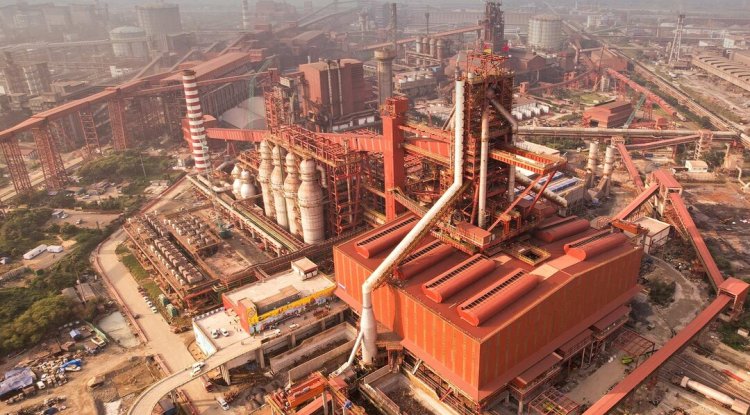
Envision Energy has connected its first AI-enabled wind turbine to the grid at its inaugural Australian wind project, marking a milestone in local renewable deployment.
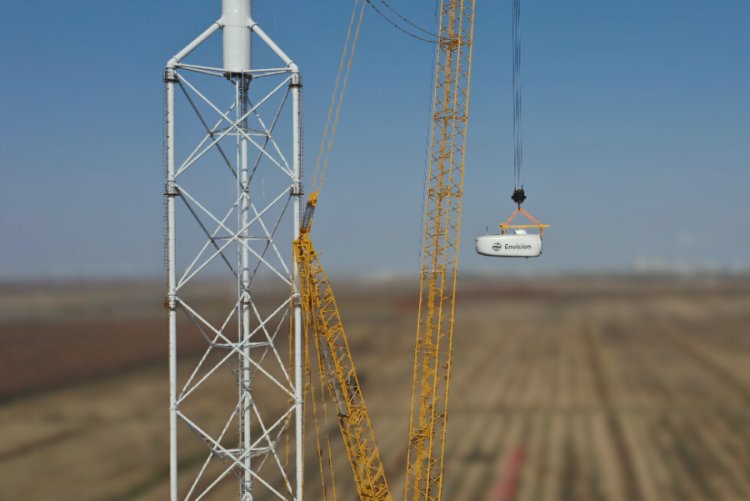
Envision Energy, on Tuesday, said that it has linked its initial AI-powered wind turbine to Australia’s power network through a debut venture. This moment signals its arrival within the nation’s wind sector while setting a technology benchmark, quietly achieved at its first local installation.
Now active, the turbine marks start-up at the firm’s inaugural wind site in Australia. Following grid integration, early functioning has commenced on location. As national momentum builds towards cleaner power sources, this development supports wider shifts beyond coal and oil reliance.
Project Overview And Location
Envision Energy begins operations in Australia through this wind initiative, marking an initial step towards a broader regional presence. Completion of the turbines and their integration into the power network came after fulfilling mandatory tests aligned with national grid regulations.
Australia now draws significant interest from international firms focused on renewables, given favourable wind conditions alongside rising needs for non-fossil power sources. With climate goals set at both federal and regional levels, fresh initiatives involving turbines are likely to contribute meaningfully towards those commitments.
Australia draws growing interest from global firms in clean energy technology, reports a top outlet, as updates to power networks progress alongside rising commitments to renewables.
Role Of Artificial Intelligence Technology
The machine links to artificial intelligence tools that refine output while forecasting service intervals, improving how well it runs. When winds shift or power demand changes, live information streams help modify behaviour automatically. Through constant review of incoming measurements, adjustments happen without delay. Efficiency grows as decisions align precisely with external factors, using patterns found across continuous signals.
Energy output improves when artificial intelligence becomes part of operations, while downtime drops alongside running expenses. Predicting how parts degrade happens before failures occur; this shift helps maintain a consistent electricity supply across years of turbine use.
With increasing shares of renewables, grid stability demands stronger oversight. Digital tools now spread through the wind industry to support asset performance under these conditions. Equipment owners focus on efficiency, guided by system needs rather than isolated gains. As power mixes shift, monitoring methods evolve quietly beside them.
Importance For Australia’s Shift To New Energy
With ageing coal plants being phased out, integration of the smart turbine aligns with Australia’s growing reliance on renewables. Where terrain supports consistent airflow, wind power plays a central role in reshaping the grid.
With rising shares of fluctuating renewables, initiatives using sophisticated digital systems gain relevance for stable power networks. As better predictions emerge, alignment between output and usage improves gradually. Where technology adapts quickly, performance shifts towards steadier flows across infrastructure. As conditions change often, response speed in turbines becomes crucial under dynamic loads.
What stands out is how the effort aligns with advancing turbine design, shifting focus away from mere size increases. A move like this emphasises refinement over raw output growth. Instead of prioritising scale, attention turns towards smarter engineering choices. Progress shows up less in numbers and more in subtle improvements behind the scenes. Greater complexity takes precedence where simple enlargement once ruled. Efficiency gains emerge quietly through detailed upgrades, not bold expansions.
Market Entry And Future Plans
Beginning with Envision Energy, this initiative marks an opening move within Australia’s energy sector. Having completed wind along with storage installations throughout Asia, Europe, and parts of the Americas, the firm now turns focus southward. Australia emerges not simply as another region but as one where combined clean technologies may expand. Prior experience abroad forms the base; new opportunities take shape here.
Once linked to the grid, progress on upcoming initiatives may continue, possibly involving more turbines or joint efforts with regional stakeholders. Moving forward in this sector often depends on demonstrating reliable performance locally. A solid track record tends to open doors that remain closed otherwise.
With supportive policies in place, more companies are now entering Australia’s wind market, joining existing players aiming at stable power contracts. A shift gains momentum as fresh activity meets ongoing operations across the sector. Growing interest emerges not only from seasoned firms but also from recent arrivals navigating similar opportunities. Long-term agreements increasingly draw attention, shaping how organisations position themselves within evolving conditions.
Grid Integration And Regulatory Context
Linking fresh wind installations into Australia’s power network demands careful attention to both engineering rules and legal procedures, especially where congestion in electricity flow or unstable supply conditions occur. Where these challenges appear, developments need to prove they meet exact benchmarks for managing electrical pressure, reacting to shifts in cycle speed, and handling sudden breakdowns without disconnecting.
When grid conditions shift, AI-equipped systems could help operators manage turbine performance with greater accuracy. Especially in areas where renewables expand quickly, such support might become meaningful.
Facing shifts towards distributed networks, oversight bodies examine tools that may uphold stability within increasingly digitised power frameworks. Meanwhile, evolving infrastructure demands prompt evaluation of modern solutions by those managing electricity flows.
Broader Implications For Wind Technology
Now it is apparent how digital tools shape renewable energy systems more deeply each year. Not only does expansion matter, but smarter operation emerges via software advances that sharpen output forecasts and grid coordination. Efficiency gains follow where technology enables tighter control across networks.
With artificial intelligence guiding operations, wind turbines now connect to wider networks involving battery storage, predictive analytics, weather modelling, and electricity distribution controls. Such integration supports ongoing work aimed at stronger, adaptable energy infrastructures.
With Australia moving ahead on its path to cut emissions over time, initiatives that pair clean energy production with smart digital systems may increasingly influence how power is supplied. While targets remain distant, such efforts could gradually redefine the structure of electricity networks across the country.
What's Your Reaction?