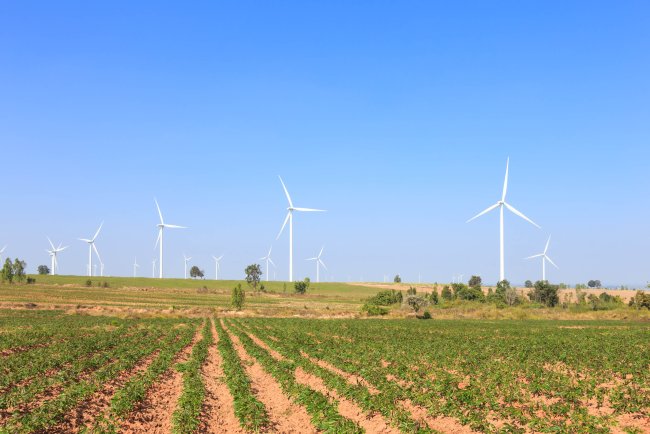
Green steel production in India could become cost-competitive with coal-based steel by 2030, according to a new IECC report, driven by falling renewable energy and green hydrogen costs.
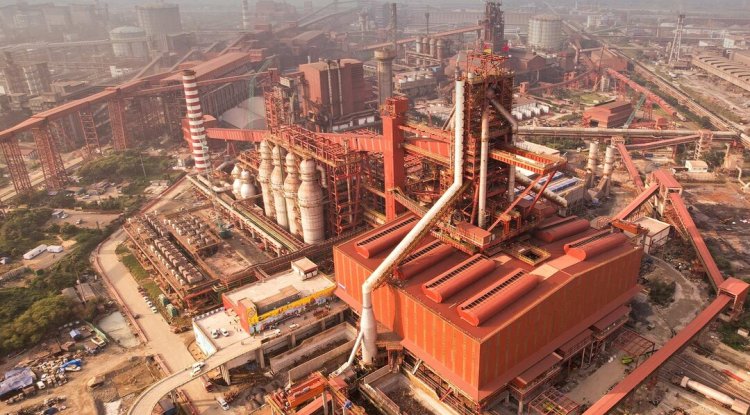
India's green steel production could reach parity with conventional coal steel production by 2030, according to an IECC report, indicating increasing economic advantages of low-emissions production processes.
According to the report, falling renewable energy costs and falling green hydrogen costs are likely to help reduce the price gap between conventional blast furnace steel and low-emission steel products over the next five years. Current green hydrogen and renewables power steel production is more expensive than the coal version, but is forecasted to decrease significantly in the coming decade.
India is the second-largest producer of steel in the world and contributes significantly to the nation's industrial emissions. Steel production in the country is predominantly dependent on coal-powered blast furnaces, posing difficulties in meeting climate objectives for decarbonization.
According to IECC researchers, green steel production costs are expected to fall close to those of conventional steel if renewable energy prices continue their current rate of decline and if electrolysers increase in scale. Other analysts involved in the research suggested that declining financing costs and infrastructure improvements would be key drivers in lowering costs.
Green steel essentially describes steel produced through low-carbon technologies like hydrogen-based DRI facilities that run on renewable energy rather than coking coal.
This comes at a time when nations and steel producers in multiple countries are making greater investments in green industrial technology. Several regions in Europe, the Middle East, and Asia have committed to developing massive hydrogen-powered steel projects, with Indian companies also engaging in pilots to develop low-carbon steel.
In India, which has made huge strides in building its renewable energy capabilities, green hydrogen has been seen as an essential element of its future energy plans. This is reflected in the government’s 2023 approval for a National Green Hydrogen Mission, aimed at fostering homegrown hydrogen production and decreasing reliance on fossil fuels in industries such as steel, fertilizer, and transport.
Yet industry insiders have advised that building green steel capacity will need considerable infrastructure development, involving renewable energy sources, hydrogen storage facilities, and transport channels. Affordable hydrogen is a major limiting factor in the adoption of green steel.
Export-oriented markets were expected to favor low-carbon steel as more carbon-based trading policies came into play. The Indian steel producers could be forced to cut down on their greenhouse gas emissions with rising sustainability standards from global customers.
It was stated that policy encouragement, technological uptake, and long-term investments would decide the speed of greening of steel production in India over the next ten years.
What's Your Reaction?