EPA Proposes Repeal Of Power Plant Emissions Rules
EPA moves to repeal emissions rules for power plants, citing high costs and limited legal authority under Clean Air Act.
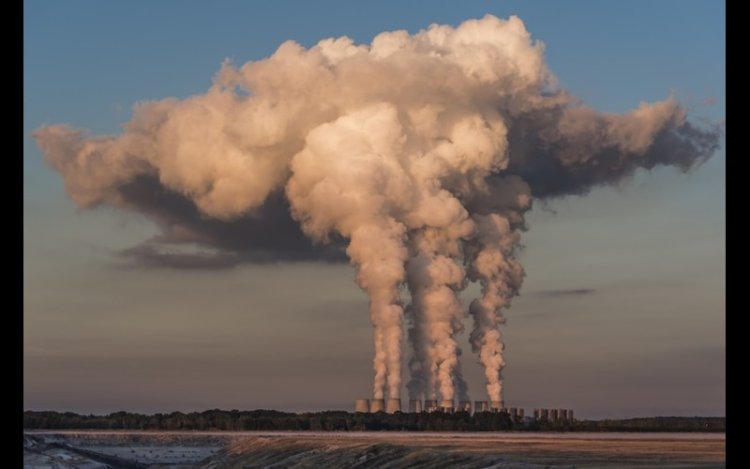
In a major policy shift that might greatly change the course of American climate policy, the Environmental Protection Agency (EPA) has suggested repealing important regulations on greenhouse gas (GHG) emissions from fossil fuel-fired power plants. The action could alter the country's regulatory framework governing energy production and air pollution and marks a significant break from the climate policies of both the Obama and Biden administrations.
The EPA's plan, which was announced in conjunction with Republican legislators and Buu Nygren, the president of the Navajo Nation, seeks to repeal the recent emissions standards and the Clean Power Plan that was implemented during President Obama's administration. These include regulations for carbon capture technologies and more stringent mercury and particulate matter standards under the Mercury and Air Toxics Standards (MATS) for 2024.
The energy sector might save up to $19 billion over the next 20 years if these policies are repealed, according to the agency. EPA Administrator Lee Zeldin emphasized the disproportionate compliance costs borne by coal, oil, and gas-fired power plants in defending the action. According to the agency, existing GHG regulations impose a $1.2 billion yearly cost on the sector, a cost that Zeldin claims eventually raises electricity costs for American consumers.
According to Zeldin, "These Biden-era regulations have imposed massive costs on coal-, oil-, and gas-fired power plants, raising the cost of living for American families, imperiling the reliability of our electric grid, and limiting American energy prosperity." He went on to say, "Affordable, reliable electricity is key to the American dream and a natural byproduct of national energy dominance."
The Supreme Court's 2022 ruling in West Virginia v. EPA, which limited the agency's ability to require fundamental changes to the national energy portfolio under the Clean Air Act, forms the basis of the EPA's proposal. The Court determined that the EPA had overreached its mandate by attempting to promote a shift away from fossil fuels without explicit congressional approval. Conservative policymakers and energy producers have been given a solid precedent by this decision to contest broad regulatory actions.
Zeldin and other supporters of the repeal contend that the EPA does not have the legal authority to regulate greenhouse gas emissions from power plants under Section 111 of the Clean Air Act since such emissions do not fit the definition of "dangerous air pollutants." The agency further argues that the worldwide nature of greenhouse gases complicates the ability to associate emissions from individual power plants with particular local or regional health effects. They consequently contend that regulating these emissions is beyond the EPA's authority.
However, critics are cautioning that reversing the policy could have severe implications for public health and the climate. The plan has been criticized by environmental organizations, legal specialists, and public health advocates as a hazardous setback that puts the profits of fossil fuels above human and environmental health.
Shaun Goho, Legal Director of the Clean Air Task Force, stated, "These regressive proposals are bad for public health and bad for climate, all to prop up some of the highest polluting power plants in the nation." "The science is clear: if EPA is successful in its repeal of these regulations, the American people will suffer the consequences."
Those against the repeal contend that greenhouse gas emissions from power plants play a major role in climate change, which in turn leads to more frequent and severe weather patterns, deteriorates air quality, and raises the risk of climate-related diseases. They further argue that withdrawing these rules will hinder the United States' ability to fulfill its national climate goals and international commitments under treaties like the Paris Accord.
The EPA's plan has far-reaching political consequences. Democratic leaders and environmental groups are getting ready for a legal fight, while Republican legislators and business organizations have applauded the choice as a victory for economic freedom and energy independence. If the plan is completed, many anticipate that lawsuits will follow, with likely disputes over whether the agency's reading of the Clean Air Act is in line with public interest and scientific consensus.
If enacted, the repeal would considerably relax federal oversight of emissions from the country's most carbon-intensive power plants, possibly strengthening the use of coal and natural gas in the country's energy mix. Even as climate risks continue to worsen worldwide, it would also indicate a more comprehensive move away from climate-centric policymaking at the national level.
As the proposed repeal's public comment period begins, both sides are getting ready. The EPA's action, however, signifies a pivotal moment in the larger discussion about the United States' involvement in addressing climate change and safeguarding environmental health in the 21st century.
What's Your Reaction?