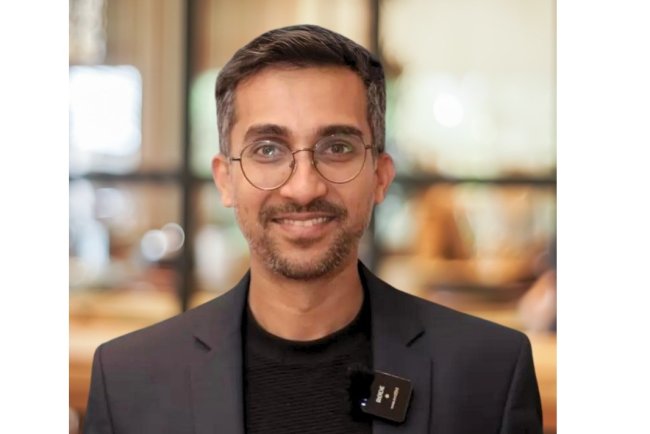
LIC HFL’s MD & CEO Tribhuwan Adhikari highlights how Project Sujalam and Green Tomorrow empower rural communities through water conservation, afforestation, and waste management
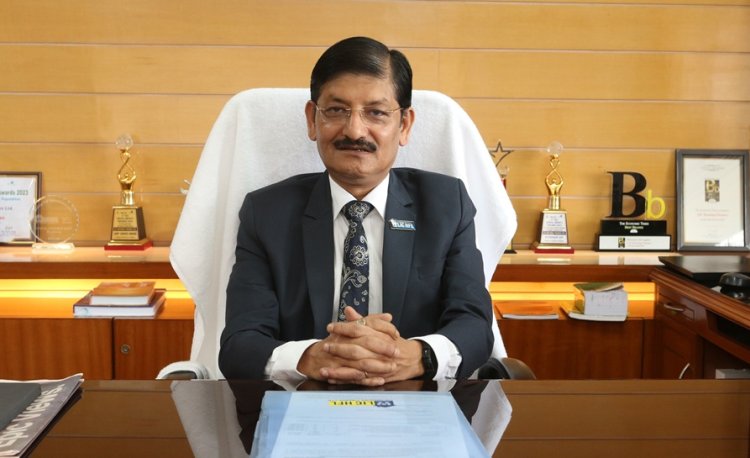
In an interview with Responsibleus, Tribhuwan Adhikari, MD & CEO LIC Housing Finance LIC Housing Finance, spoke about company’s flagship CSR projects—Project Sujalam and Green Tomorrow—which focus on community-led water conservation, afforestation, and waste management. The initiatives empower rural groups, restore ecosystems, and link environmental action to public health and livelihoods.
What led LIC HFL to integrate environmental sustainability into its CSR agenda?
At LIC Housing Finance Ltd., our purpose has always been to construct lives of dignity, stability, and security. But we understand that housing and environmental sustainability go hand in hand. Ecological resilience is an indispensable companion for true long-term security. With climate disruptions increasingly impacting livelihoods, particularly in rural areas—we knew we had to move beyond conventional housing finance. By integrating sustainability into our CSR, we are not simply meeting statutory requirements—we're becoming drivers of enduring, community-driven change.
What way is Project Sujalam making natural resource management impact-driven and community-led?
Sujalam is built on the notion that those nearest to the challenge should drive the solution. Rather than a top-down strategy, we empower village-level Water User Groups (WUGs) to take the initiative. These groups identify their own watershed issues at the village level, co-design water harvesting structures with us, and manage them through self-established Maintenance Funds. The outcome? Ownership, sustainability, and relevance. Farmers today shift from monoculture to polyculture cycles—evidence that empowered communities create transformational results.
What have been the consequences of afforestation programs under Sujalam?
Our afforestation program under Sujalam has restored ecosystems and communities to life. Ecologically, we've witnessed a return of biodiversity, enhanced soil quality, and increased groundwater replenishment. Sociologically, we've facilitated community nurseries, providing livelihoods for women and youth. These green oases are not only forests, they are sources of livelihood, pride, and hope for the ecology of the future.
How is LIC HFL addressing water security through decentralised, community-based models?
We’ve adopted a micro-watershed development strategy—focused on small, hydrologically manageable units. Structures like check dams and recharge pits are built through community participation. More importantly, locals are trained in maintenance and water governance, including conflict resolution. This decentralized, participatory approach makes water conservation both sustainable and scalable, particularly in rain-dependent agrarian zones.
What are the challenges that have arisen driving behaviour change under Green Tomorrow?
Waste management is not only an infrastructure problem—it's a mind problem. First, we faced resistance: absence of segregation of waste, customary open dumping, and believing that "waste is someone else's responsibility." Our answer? Grassroots education through schools, street plays, and the game-changer—local champions. These "Green Friends" or Safai Sathis have played a key role in changing mindsets at the grassroots level.
How do "Green Friends" influence clean environment outcomes?
Our Green Friends are not waste workers but community educators. They are trained in segregation, composting, and community outreach. Door-to-door, they educate families, organize clean-up campaigns, and work with local authorities. Their credibility and personal experience speak volumes, making whole communities attain 100% waste segregation and compliance—oftentimes in record time.
In what way does LIC HFL connect clean water and trash-free areas with public health?
Our initiatives run on an integrated model of development. We connect environmental sanitation with preventive healthcare—setting up vermicomposting units, repairing drainage in schools and anganwadis, and including sanitation education. We also collaborate with public health departments to coordinate with the government health programs. The significant reduction in waterborne diseases in our project areas is an emphatic support of this holistic approach.
What are the roles of LIC HFL staff in perpetuating these initiatives?
Change starts from within, we think. So, we do our ESG sensitization workshops with our staff on a regular basis. Internal alignment means that our folks are not only carrying out these programs, they're emotionally charged with making them succeed. This engenders authenticity, continuity, and shared purpose between our corporate and societal ecosystems.
How do you define success—both social and environmental?
We trust numbers, but we also trust narratives.
• Environmental Measurements: water conserved volume, trees planted count, percentage of segregated household waste, enhanced green cover.
• Social Indicators: farmers switching over to second-crop seasons, women heading waste audits or WUGs, local youth finding jobs through nurseries.
These narratives and numbers combined say to us: we are developing ecological resilience and human dignity.
LIC HFL's corporate world message on Nature Conservation Day?
Nature isn't a balance sheet asset—it's the lifeblood of communities, equity, and resilience. Our message to peers: transcends check-box CSR. Invest in nature-positive, community-anchored interventions that align your business with the planet. Because every home we finance should be built on a foundation of clean air, safe water, and a living environment.
What's Your Reaction?