


CDP says extreme weather-related risks could result in nearly $898 billion in financial losses as climate disasters increasingly affect businesses and infrastructure worldwide.
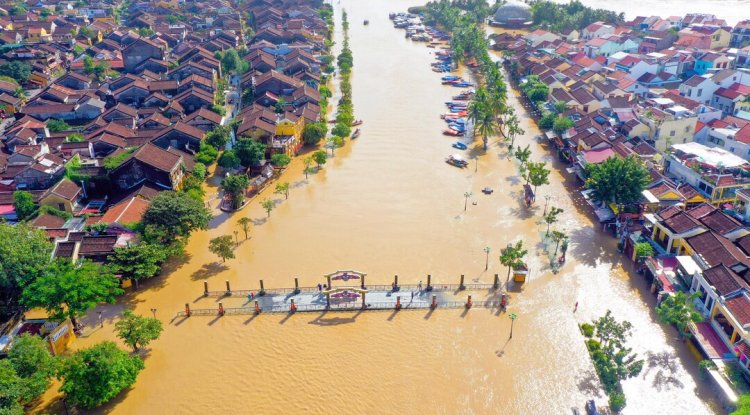
Financial risks due to extreme weather could result in losses of almost $898 billion, new data revealed by the global environmental disclosure platform CDP has shown.
This calculation is based on climate-related risks disclosed by companies and financial institutions through their exposure in the supply chain, infrastructure, operations, and investments. The risks considered include floods, storms, droughts, and heatwaves.
As explained by CDP, the expected losses relate to physical risks directly or indirectly through such factors as low productivity, shortage of supplies, higher insurance fees, and failure of infrastructure. Climate-related financial risks have been seen to grow in various sectors due to the growing intensity of weather-related risks.
Agriculture, energy, transportation, manufacturing, and finance were the sectors that faced exposure to climate-related disruption. Water shortage, crop losses, and damage to transport networks were some of the main risks highlighted by CDP.
Such results have been obtained against the backdrop of increased global warming and losses caused by natural climate-related disasters all around the world. Various countries have experienced flooding, fires, and heat waves during the last year.
According to CDP, many organizations have yet to make plans for adapting to climate change because they recognize their significant financial risks in this regard. While companies continue to disclose more about climate risks, the investments in adaptation and resilience vary.
Organizations that submit reports to the CDP platform also recognized certain opportunities connected with climate adaptation and low-carbon transition initiatives. Such initiatives include renewable energy, resilient infrastructure, and diversified supply chains. However, according to the report, failure to adapt may cost organizations money in the future.
Finally, participating financial institutions have become more concerned about risks associated with asset depreciation, insurance liabilities, and credit risks due to extreme weather events. Climate change impacts have also been negatively affecting long-term investment strategies.
In addition, the report stated that governments in different areas are pressuring firms to improve their approaches towards climate risk reporting and adaptation efforts. Mandatory disclosure policies are being broadened across Europe, North America, and Asia.
Climate experts have previously cautioned that losses due to weather conditions will continue to increase without proper emission reduction efforts and resilience plans. The severity of different natural occurrences, such as flooding, droughts, and storm surges, has been related to global warming.
CDP stressed that additional funding for resilience efforts, emissions reduction, and climate adaptation is required to minimize the economic risks posed by extreme weather phenomena.
What's Your Reaction?

















