FedEx Adds Six Electric Vans To Hong Kong Fleet
FedEx expands Hong Kong fleet with six eVito electric vans, boosting sustainability and aiming for carbon neutrality
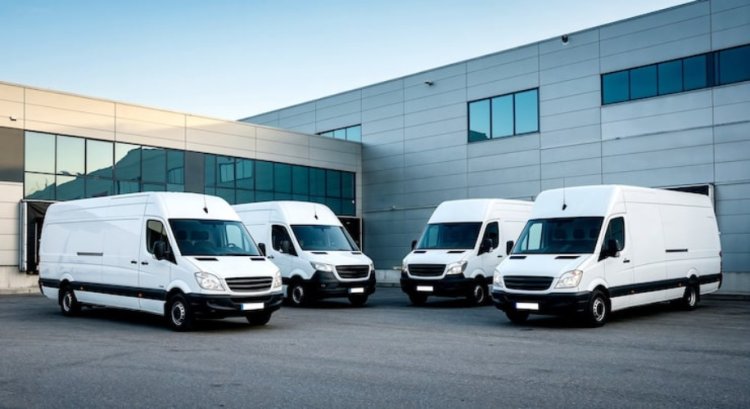
Six additional electric vans will join FedEx's Hong Kong delivery fleet, moving the company closer to its worldwide carbon-neutral targets. Signaling its dedication to speeding sustainable logistics in one of Asia's most dynamic markets, the corporation declared the delivery of Mercedes-Benz eVito panel vans.
With a load capacity of 913 kg and a driving range of 264 kilometers per charge, the new electric vehicles are optimized for last-mile delivery. FedEx says these criteria enable the vans to negotiate the crowded streets of Hong Kong while satisfying the rising demand for effective and ecologically friendly logistics options.
Managing Director of FedEx Hong Kong and Macau, Anthony Leung, stated the decision fits into the company's larger plan to promote its worldwide sustainability. objectives. Leung said, “Adding new EVs to our local delivery fleet underlines our commitment to improving Hong Kong's contribution to FedEx worldwide sustainability initiatives.” “With Rising Hong Kong consumer demand for dependable and environmentally friendly choices drives the expansion of our EV fleet, which is vital for supporting sustainable development. As we strive toward FedEx is committed to revolutionizing the logistics sector with creative and sustainable solutions to fit changing market demands, hence furthering our 2040 goal of carbon-neutral worldwide operations.
FedEx speeds its path toward carbon neutrality across its worldwide activities by 2040 with the debut of these electric vans. With the company aiming to switch its whole pickup and delivery fleet to electric by the same year, this approach is a core component.
Beyond lowering greenhouse gas emissions, the corporation emphasized that the new vehicles will also improve operational efficiency. Electric vans should lower running costs compared to conventional combustion-engine vehicles and help to reduce local air pollution in densely populated areas.
Changing customer expectations also inform the choice to enlarge Hong Kong's electric fleet. FedEx emphasized survey results indicating that Hong Kong consumers are increasingly choosing companies depending on their level of sustainability. Data show that about half—49 percent—of city consumers said they had ceased purchasing based on environmental concerns; still, 73 percent of them did so when making decisions. Purchasing from businesses that do not give sustainability first importance. These numbers show an increasing focus on environmental stewardship especially among younger customers like Millennial and Generation Z.
Adoption of electric vehicles lets FedEx line itself with this customer trend as well as help to more general regional sustainability targets. The business emphasized how especially important sustainable last-mile delivery solutions are given Hong Kong's density, great urbanization, and dependence on logistical services.
Along with vehicle electrification, FedEx is increasing other sustainable efforts. FedEx® Sustainability Insights, a digital tool developed to enable consumers to evaluate and monitor the carbon footprint of their deliveries, is among these. According to the corporation, this service helps companies to match their own sustainability goals while making more educated decisions about their supply networks.
FedEx has also adopted circular economy initiatives locally to help to lower its environmental impact. To guarantee unused uniforms and shipping materials are recycled or reused rather than dumped, the firm has teamed with social businesses in Hong Kong to repurpose them. Although small in comparison to major fleet changes, such steps show yet another feature FedEx's strategy of incorporating sustainability throughout many areas of its business.
Among many projects worldwide, FedEx has invested in renewable fuels, energy efficiency upgrades, and carbon capture technologies to help it meet its 2040 carbon-neutral objective. One of several local measures helping to shape this broader change is the Hong Kong fleet growth.
Particularly as e-commerce expands and demand for delivery services soars, the logistics industry is under increasing pressure to meet climate goals. Businesses like FedEx are under scrutiny not only from regulators but also from customers who are becoming more conscious of the environmental effects of their purchasing behavior. Against this background, moves such the introduction of electric vans have strategic as well as environmental benefits that help the company stay competitive in a market changing quickly.
The debut of Mercedes-Benz eVito vans in Hong Kong also mirrors a bigger trend in the logistics sector whereby electric mobility is becoming a a workable answer for difficulties in city delivery. Electric vans are becoming more and more considered as an efficient substitute for diesel-powered cars in congested metropolitan areas due to their small size, zero-emission operation, and lower maintenance requirements.
Six more cars may seem little in scale for FedEx compared to its worldwide fleet, but the company views it as one element of a bigger, long-term change. According to Leung, the growth of the electric fleet aims to satisfy "evolving market demands" and keep FedEx in line with both local international sustainability norms and customer expectations.
This most recent move builds FedEx's role in Hong Kong's sustainable development while furthering its worldwide objective of achieving carbon-neutral activities in the next 15 years. The corporation claims that its approach shapes logistics' future in a period where sustainability is no longer elective but demanded by fusing innovation, customer-centric solutions, and operational efficiency.
What's Your Reaction?