Nitin Gadkari defended India’s ethanol blending initiative, rejecting conflict-of-interest allegations and stressing that the programme aims to reduce oil imports, support farmers, and promote cleaner fuels.
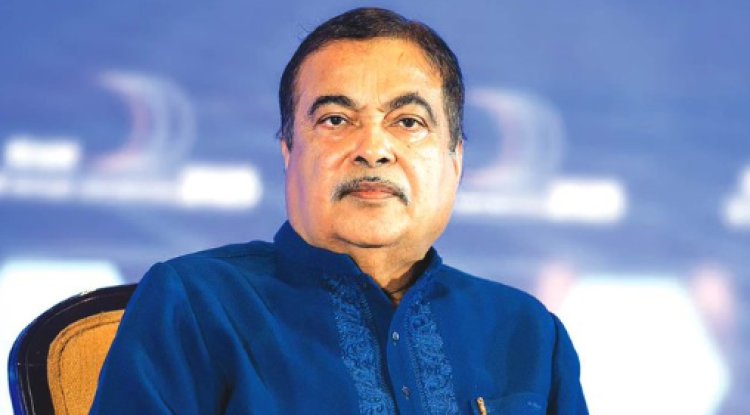
Union Road Transport and Highways Minister Nitin Gadkari has defended the government’s ethanol blending programme, rejecting allegations of a conflict of interest and saying that ethanol contributes only a small portion of his sons’ business activities. He said the criticism against the policy is driven by political motives rather than concerns over fuel or energy security.
"Gadkari said that the ethanol scheme falls within the ambit of India’s larger policy of Reducing dependence on imported crude oil while improving the country’s fuel security, and supporting farmers by providing an additional market for their produce which is used in ethanol production," according to a report. The promotion of biofuels, according to him, is a policy driven by national interest.
While addressing the concerns related to E20, Gadkari noted that ethanol has lower energy content than petrol and that its use may lead to a reduction in fuel efficiency in some cases. However, he added that the impact is minimal and that E20-compatible cars have been tested.
The minister pointed out that India has made significant progress in increasing the mixing of ethanol in petrol over the last ten years. The government has been encouraging the use of ethanol from sources such as sugarcane, corn, and other feedstocks. This is done to ensure diversity of energy sources.
Addressing allegations that the ethanol policy could benefit companies linked to his family, Gadkari made it clear that his sons run their businesses separately and that ethanol is just one small part of their business portfolio. “Energy policy decisions have been made keeping national interest in mind, not personal gains,” he added.
The ethanol blending project has been a major player in the clean energy revolution in India. The proponents of the initiative argue that the move will contribute significantly to lowering greenhouse gas emissions, provide farmers more means of earning money through alternative ways, and improve energy security. However, the opponents argue that there are issues of fuel efficiency, diversion of food crops, water use, and sustainability.
Gadkari reiterated that the adoption of alternatives is inevitable for future energy needs of India.
What's Your Reaction?