Global Temperatures Set to Break Records
2024 is projected to become the hottest year on record, surpassing the 1.5°C warming limit. This milestone signals more extreme weather, crop failures, sea-level rise, and global displacement. Despite technological advances and rising awareness, mitigation and adaptation efforts remain inadequate. Urgent action is essential to avoid worsening impacts.Global temperatures are set to exceed 1.5°C above pre-industrial levels in 2024, marking a critical climate threshold. Learn about the causes, consequences, and urgent solutions to this global crisis.
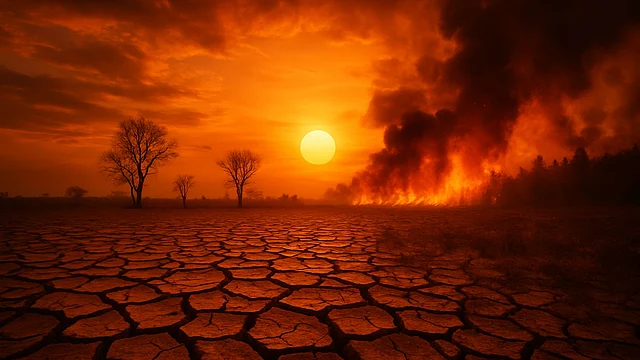
Global temperatures are projected to set new records in 2024, surpassing 1.5°C above pre-industrial levels for the first time. Driven by rising greenhouse gas emissions, this trend signals intensifying climate impacts. This article explores the causes, consequences, and urgent actions needed to address global warming.
Climate data indicates 2024 will be the hottest year on record, with average global temperatures exceeding 1.5°C above pre-industrial levels. This milestone, part of a warming trend since the 19th century, is driven by high concentrations of carbon dioxide and methane from fossil fuel use, deforestation, and agriculture. Emissions remain above levels needed to meet Paris Agreement targets.
The impacts are widespread. Heatwaves have increased in frequency and intensity, with Europe, Asia, and North America recording unprecedented temperatures. Melting ice caps in Greenland and Antarctica contribute to sea level rise, threatening coastal communities. Over 3.6 billion people live in areas vulnerable to flooding, storms, and heat stress.
Agriculture faces disruptions. Crop yields for staples like wheat and maize are declining in warmer regions, raising food security concerns. Fisheries are affected as ocean temperatures rise, altering marine ecosystems. Economic losses from climate impacts, including infrastructure damage and reduced productivity, are estimated in the trillions annually.
Extreme weather events are more common. Hurricanes, typhoons, and wildfires are stronger and more frequent, driven by warmer oceans and drier landscapes. Developing nations, with limited resources to adapt, face the greatest risks. Migration driven by climate impacts is rising, with millions displaced by flooding and drought.
Mitigation efforts are lagging. Renewable energy adoption is growing, but fossil fuels still dominate global energy use. Policy gaps, including insufficient carbon pricing and subsidies for dirty energy, hinder progress. International cooperation is critical, but geopolitical tensions slow coordinated action.
Adaptation measures are underway. Cities are building flood defenses and cooling centers to protect residents. Farmers are adopting heat-resistant crops and efficient irrigation systems. However, funding for adaptation, particularly in vulnerable regions, falls short of needs. Wealthier nations have pledged support, but delivery is inconsistent.
Technological solutions offer hope. Advances in solar, wind, and battery storage are reducing costs, making clean energy more accessible. Carbon capture technologies are being tested, though scalability remains a challenge. Reforestation and soil restoration projects are expanding, helping absorb emissions and restore ecosystems.
Public awareness is growing, but behavioral change is slow. Reducing energy consumption, shifting to plant-based diets, and supporting sustainable policies can amplify impact. Education campaigns aim to bridge the gap between awareness and action, emphasizing individual and collective responsibility.
Conclusion
Record-breaking global temperatures highlight the urgency of addressing climate change. Accelerated emission reductions, robust adaptation measures, and international cooperation are essential to limit warming and protect vulnerable populations. Without decisive action, the consequences of rising temperatures will continue to escalate, affecting billions worldwide.
Source:Business Outlook
What's Your Reaction?