Google is supporting an AI-based water stewardship project in Belgium aimed at reducing agricultural water use and improving irrigation efficiency in the Scheldt Basin.
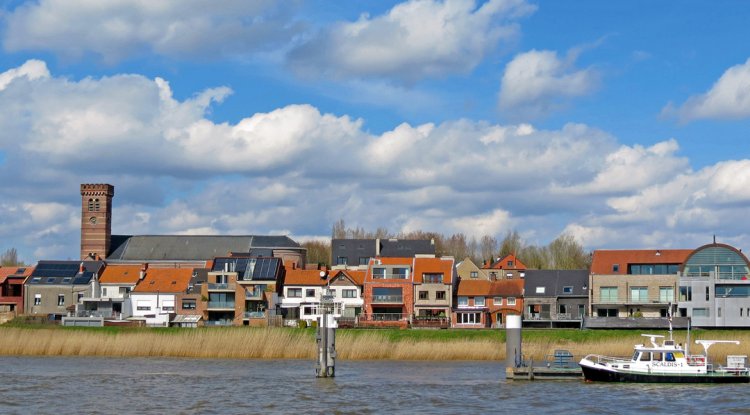
In Belgium, Google is partnering with Agrow Analytics and Agua Segura to develop an AI-focused water management program that will enhance farming water efficiency and manage water drainage from agricultural land through improved irrigation methods within the Scheldt Basin.
The project is designed to cover over 1000 acres (over 400 hectares) of cropland and will integrate satellite information, thermography, soil moisture metrics, climate data, and hydrodynamic models to determine optimal timing for irrigation and fertilization.
As reported by members of this group, the program is estimated to provide irrigation-based water savings of approximately 158 million gallons (about 600k m³) each year due to enhanced planning processes for when to irrigate or apply fertilizers based on soil moisture and site characteristics.
As concerns regarding the growing impact of artificial intelligence on water consumption in computer servers and data center operations have gained traction, the impact of this AI program on the Scheldt River and the surrounding area (home of Google's data center in Saint-Ghislain) has received concurrent scrutiny throughout Western Europe, where the Scheldt River basin ranks as one of the most industrialized river systems in the region.
Industry reports have found that rising demands for AI computing have led to increased freshwater usage due to cooling needs in technology firms' data centers. Additionally, environmental reporting by Google shows that freshwater usage has risen alongside the growth of AI and cloud infrastructure.
The company has said that the Belgium project forms part of its water stewardship initiative. The company has disclosed its plan to ensure that it replenishes more freshwater than it uses through its offices and data centers by 2030. According to company data, it had supported over 160 water stewardship projects globally in 2025.
The irrigation system created by Agrow Analytics utilizes environmental and satellite data to determine irrigation needs based on crop and soil moisture levels rather than pre-set watering schedules. Similar technologies are being implemented in areas experiencing unpredictable rainfall patterns and agricultural water scarcity.
Concerns have also been raised by researchers and environmentalists about the water footprint of growing AI infrastructure. In industry reports, there is evidence that while tech firms are working to implement water conservation and replenishing initiatives, water demand for large data centers has continued to grow in many water-scarce locations.
What's Your Reaction?