Madhya Pradesh is positioning itself as a major nuclear power hub through upcoming projects and policy support aimed at strengthening India's clean energy capacity and long-term energy security.
Madhya Pradesh is poised to become one of India's leading nuclear energy centres as the country accelerates efforts to expand its low-carbon power generation capacity and strengthen long-term energy security. The state is expected to play a crucial role in India's nuclear expansion plans, with large-scale projects proposed to meet rising electricity demand while supporting climate goals.
These include, among others, the construction of nuclear power plants in Chutka and Bhimpur located in the district of Mandla. These projects are supposed to contribute considerably to the production of megawatts of electrical power in India's nuclear power generation sector. One of these projects, the Chutka Nuclear Power Project, is designed with two 700 MW reactors. This project has a total capacity of 1,400 MW.
This news comes as India is following a wider policy strategy for ensuring a diverse source of energy. Although the production of energy from alternative energy sources like solar energy and wind energy is growing at a fast pace, nuclear energy is being considered by the Indian government as a reliable form of energy which can provide energy continuously.
The government believes that Madhya Pradesh is an ideal destination for investments in the nuclear industry owing to its geographical centrality, increasing transmission capability, availability of land, and involvement in India’s power sector. The state has a variety of power resources that include thermal plants, solar energy projects, wind farms, and hydropower facilities. In addition, Madhya Pradesh has some major power resources that include the Rewa Ultra Mega Solar project as well as some thermal power plants.
The Additional Chief Secretary (ACS) to the CM & Energy department, Neeraj Mandloi, informed the news agency that a high-powered committee headed by ACS-Energy along with revenue, water resources, and collectors from the concerned sites has been constituted by the state government for coordination and hastening investments based on the SHANTI act 2025 introduced by Prime Minister Narendra Modi.
“This is a very unique arrangement, no other state has done it so far, and in yesterday’s video-conferencing meeting by the Secretary, Department of Atomic Energy they appreciated Madhya Pradesh’s proactive role in attracting new nuclear power projects under the Prime Minister’s mission,” he said.
The new expansion will definitely bring along numerous economic advantages to the state. Huge infrastructure projects like this usually create job opportunities not only at the construction site but also at the operational phase, while at the same time demanding a number of additional professional skills, such as engineering work, manufacturing, logistic operations, and so on.
India, for instance, can derive benefits from Madhya Pradesh becoming a nuclear energy center in terms of enhancing its energy security since such development will enable the country to diversify its sources of generating electricity and reduce dependency on non-renewable sources such as fossil fuels. Power generated using nuclear reactors is continuous and is not affected by weather conditions, thus becoming a major source of baseload power generation that will continue to increase owing to growth and urbanization.
The call for the development of nuclear energy is also consistent with the country’s longer term energy goals. India has set itself the task of increasing its non-fossil fuel energy sources and lowering the carbon intensity of its economy. Nuclear power stations are a means of producing energy that does not emit any significant amount of greenhouse gases as compared to thermal power stations based on coal, which would contribute significantly to efforts in mitigating climate change.
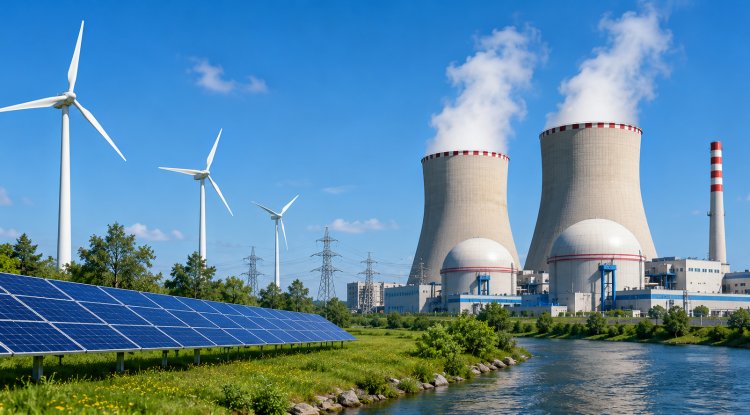
Experts note that nuclear power can complement renewable energy growth by providing stable electricity generation when solar and wind output fluctuates. This combination of renewable and nuclear energy could help create a more resilient power system capable of supporting India's rapidly growing economy while advancing sustainability goals.
The projects that are planned in Madhya Pradesh are part of the larger nuclear energy plans of the Indian government. The Union government has proposed plans to greatly expand the nation’s nuclear energy capacity in the coming years, seeing it as an important component of their energy strategy. With these developments taking place, Madhya Pradesh will become one of the most prominent states when it comes to expanding India’s nuclear energy program.
What's Your Reaction?