Rising supply chain risks linked to conflict, climate change and trade disruptions could drive greater investment in regenerative agriculture and sustainable food production, according to Ecovia Intelligence.
Ongoing supply chain disruptions and rising fertiliser costs are increasing attention on sustainable food production and regenerative agriculture, according to Ecovia Intelligence.
The research firm said recent shocks, including the COVID-19 pandemic, climate-related disruptions, the war in Ukraine, tariffs and regulatory changes, have contributed to price volatility and supply chain challenges across the food sector.
The latest disruption stems from the conflict involving Iran. Ecovia Intelligence said that about one-quarter of globally traded fertiliser normally passes through the Strait of Hormuz, a major shipping route in the region. European farmers are paying around 50% more for fertiliser than they were a year ago, according to the firm.
Organic farms are less dependent on synthetic fertilisers and therefore less exposed to rising fertiliser costs. Ecovia Intelligence said a similar pattern was seen in 2022 after Russia invaded Ukraine, when higher fertiliser, feed and energy costs narrowed the price difference between organic and conventional food products.
Organic foods demand continues to come under pressure due to rising expenditures of households for fuel, energy, and food consumption. According to reports by Ecovia Intelligence, sales of organic foods in Europe fell by about 2% after the outbreak of the Ukraine war.
Supply chain disruptions continue to make food companies explore options for ensuring food provenance, traceability, and regional sourcing. Companies in the food industry are exploring sustainable production systems with less vulnerability to risks from their supply chains.
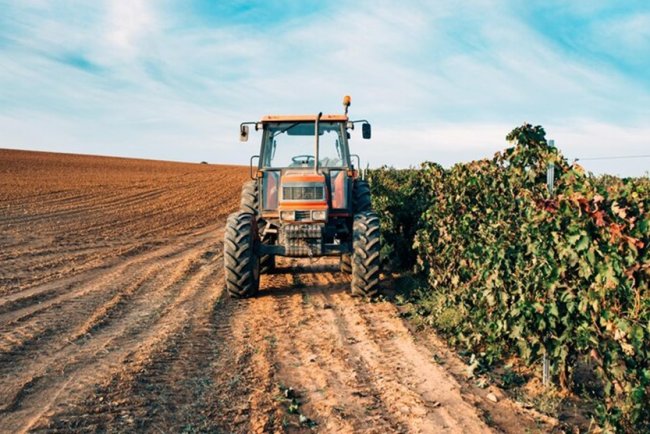
A production system that has gained prominence amid growing supply chain disruptions is regenerative agriculture. Regenerative agriculture involves practices aimed at enhancing the quality of the soil and biodiversity, thereby improving the productivity of farms without reliance on outside resources.
Companies such as Nestlé, Unilever, Danone, and Barilla have launched regenerative agriculture projects related to their agricultural supply chains.
The assessment report came before the announcement of the European version of the Sustainable Foods Summit slated to be held in Amsterdam between 18 and 19 June.
What's Your Reaction?