The government has outlined policy measures, incentives, and manufacturing support aimed at lowering the cost of green hydrogen and supporting its adoption across energy-intensive industries, according to the renewable energy ministry.
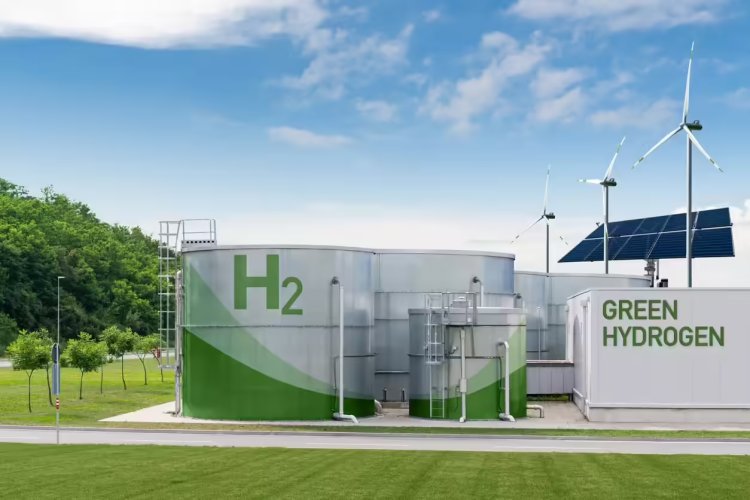
The government has introduced efforts to lower green hydrogen costs, according to the Union Minister of State for New and Renewable Energy, with industrial uptake identified as a key focus, a leading media report said. While multiple steps are now underway, their design focuses on integration within manufacturing and energy systems. With financial barriers still present, policy adjustments are aimed at improving long-term affordability rather than short-term gains. Although progress remains gradual, alignment between agencies appears stronger than in previous phases. As sector-wide transitions take time, current actions emphasise stability over rapid change.
With an emphasis on reducing costs, Shripad Yesso Naik highlighted measures by the central government linked to policy support. Efficiency gains are being pursued through incentives, alongside expanded manufacturing under the National Green Hydrogen Mission framework. While broader adoption remains a goal, lower costs play a critical role, particularly in energy-intensive industries. For industrial applications dependent on large-scale power inputs, affordability remains a key determinant of feasibility.
The minister said initiatives include incentives aimed at domestic production of electrolysers, with pilot projects also receiving support. Through demand aggregation, prices may decline as output volumes increase. The stated objective is to strengthen the competitiveness of green hydrogen relative to conventional fossil fuel-based alternatives, the report said.
Naik said the government is also backing research and development efforts focused on improving efficiency and reduce costs associated with electrolyser systems. Innovation, combined with domestic manufacturing, is expected to reduce reliance on imported equipment, he added, the report said.
A policy shift has also taken shape through the introduction of new frameworks designed to support green hydrogen production and usage. Greater clarity around regulations now forms part of broader efforts, alongside clearer signals of future demand. Officials said investment risks are being addressed through structured standards and certification pathways, helping build confidence through predictable policy conditions.
Despite its potential to reduce emissions in sectors such as fertilisers, refining, steel, and transport, green hydrogen continues to face challenges due to high costs. Naik said scaling up production is central to the government’s strategy for narrowing price gaps over time, the report said.
The minister said falling solar and wind tariffs, combined with greater availability of renewable energy, are expected to contribute to lower green hydrogen costs in the longer term. He added that integrating renewable electricity directly with hydrogen production remains central to the cost-reduction strategy.
One of the objectives of the National Green Hydrogen Mission is to expand domestic manufacturing while encouraging adoption across multiple industries. Officials said outcomes will depend on technological progress, the development of delivery infrastructure, and sustained regulatory support. Progress will be shaped by the pace of innovation, investment flows, and the adaptability of policy frameworks.
Naik said ongoing monitoring of cost trends will inform policy updates as the green hydrogen sector evolves, to achieve commercial viability at scale, according to a leading media house. Over time, adjustments are expected to reflect changing production conditions and demand patterns, with large-scale viability remaining central to long-term planning.
What's Your Reaction?