


The Greenland Ice Sheet is melting at an unprecedented rate due to climate change, contributing to global sea level rise. Warmer air and ocean temperatures are accelerating ice loss through surface melting and glacier undercutting, with significant impacts on coastal communities, ocean currents, and economies. Immediate climate action is needed to mitigate further damage.Greenland’s ice sheet is melting rapidly due to climate change, raising sea levels and threatening coastal communities. Learn about the causes, impacts, and urgent need for action.
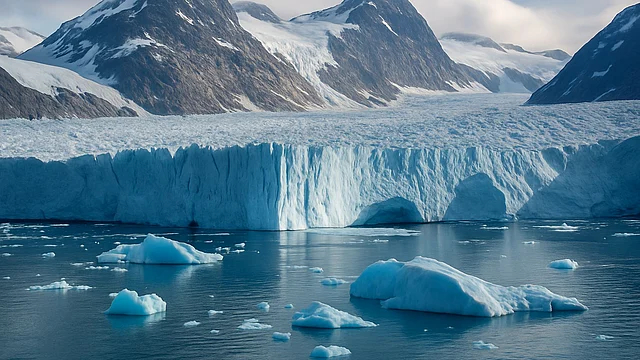
The Greenland Ice Sheet is undergoing rapid melting, contributing significantly to global sea level rise. Recent studies highlight that the ice sheet is cracking faster than previously estimated, driven by rising air and ocean temperatures. This process threatens coastal communities and ecosystems worldwide. Understanding the extent and causes of this ice loss is critical for predicting future climate impacts and preparing for rising sea levels.
The Greenland Ice Sheet, covering about 80% of Greenland’s surface, holds enough ice to raise global sea levels by 7 meters if fully melted. Since 1992, it has contributed approximately 14 millimeters to sea level rise, according to research from Durham University. The primary drivers are warmer air temperatures melting ice from the surface and warmer ocean waters accelerating the flow of ice into the sea. A study published in Nature Climate Change in 2022 estimated that Greenland’s ice imbalance from 2000 to 2019 has already committed at least 274 millimeters of sea level rise, equivalent to 3.3% of the ice sheet’s volume. This loss is inevitable, even if greenhouse gas emissions were halted immediately, due to the ice sheet’s disequilibrium with the current climate.
The melting process is complex. Warmer air temperatures cause surface ice to melt, forming rivers of meltwater that flow through crevasses, known as moulins, to the ocean. This meltwater accelerates glacier movement by lubricating the ice sheet’s base, causing glaciers to slide faster toward the sea. Additionally, warm ocean waters erode glaciers at their edges, particularly in deep fjords where marine-terminating glaciers are most vulnerable. NASA’s Oceans Melting Greenland mission found that 74 glaciers in deep fjords accounted for nearly half of the ice loss between 1992 and 2017. These glaciers experience undercutting, where warm, salty water melts the glacier’s base, leading to increased calving of icebergs.
Crevasses on the ice sheet are also growing larger and deeper in areas where ice flows faster, further speeding up ice loss. A temporary slowdown in the flow of Sermeq Kujalleq, Greenland’s fastest-moving glacier, balanced crevasse growth during a study period, but recent data shows its flow is accelerating again. This suggests that the ice sheet’s stability is deteriorating. Since 2002, Greenland has lost around 280 billion tons of ice annually, equivalent to covering Florida and New York in deep meltwater. The southwest region, largely free of major glaciers, has seen significant ice loss due to surface melting, indicating that the entire ice sheet is vulnerable.
The Arctic is warming at twice the global rate, with Greenland’s air temperatures rising by about 7 degrees Fahrenheit since 1991. This rapid warming increases the number of melt days each summer, particularly in southern Greenland, where ice loss is most pronounced. The Jakobshavn Glacier, responsible for nearly 4% of 20th-century sea level rise, lost 88 gigatons of ice over four decades. The Zachariae Isstrom glacier shed 160 gigatons, while the Humboldt Glacier lost 87 gigatons. These losses highlight the widespread impact of climate change across Greenland’s ice sheet.
The consequences of this melting extend beyond sea level rise. Freshwater from melting ice disrupts ocean circulation patterns, particularly the Atlantic Meridional Overturning Circulation, which regulates Europe’s mild climate. This could lead to colder winters in Europe and altered marine ecosystems. Coastal communities face increased risks of flooding, with nearly 600 million people living in areas less than 10 meters above sea level. Economic impacts are also significant, as rising seas threaten infrastructure, agriculture, and global trade. A National Bureau of Economic Research report estimates that climate change could reduce global trade by 12% due to extreme weather events.
Efforts to mitigate these impacts include reducing greenhouse gas emissions and investing in climate adaptation measures, such as coastal defenses and sustainable agriculture. However, the current trajectory suggests that Greenland’s ice loss will continue, with projections indicating up to 78 centimeters of sea level rise by 2100 if high-melt years like 2012 become typical. The Greenland Ice Sheet’s sensitivity to warming, as shown by historical data indicating significant melting 400,000 years ago, underscores the urgency of global climate action.
Conclusion
The rapid melting of the Greenland Ice Sheet is a clear signal of climate change’s escalating impact. With ice loss accelerating due to warmer air and ocean temperatures, the world faces rising sea levels, disrupted ocean currents, and economic challenges. While mitigation efforts are essential, the committed sea level rise from Greenland’s ice imbalance highlights the need for immediate action to protect vulnerable communities and ecosystems. Continued research and international cooperation are crucial to address this growing crisis.
Source: Outlook Business,
What's Your Reaction?










Leave a Comment







