A Gujarat-based educational campus has replaced LPG with biogas, cooking over 500 meals daily using waste, highlighting a decentralised model for energy and waste management.
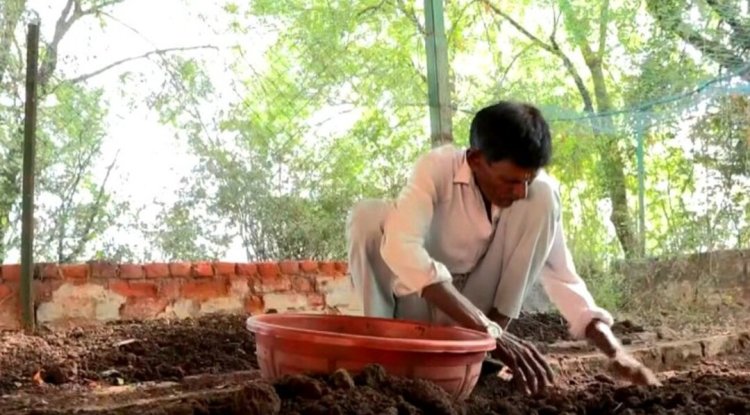
An educational campus in Gujarat has replaced LPG with biogas, preparing over 500 meals daily using organic waste. The shift has eliminated the need for conventional cooking fuel and reduced dependence on LPG cylinders.
The initiative has been implemented at the Shrimati Manekba Vinay Vihar Educational Complex in Gandhinagar, where meals are prepared twice a day for around 250 hostel students, along with additional consumption by staff families residing on campus.
The campus operates two biogas plants of 45 cubic metres each, with a combined capacity of 90 cubic metres per day. These plants process cow dung, kitchen waste, and agricultural residue to generate fuel for cooking.
Officials said the system has made the institution self-reliant in cooking fuel. Without the biogas plants, the campus would require nearly 30 LPG cylinders each month, which are no longer needed.
The project is supported under the state’s Institutional Biogas Plant Scheme, implemented by the Gujarat Energy Development Agency. The scheme provides financial assistance for installations of varying capacities, particularly for non-profit institutions.
The biogas system also generates slurry as a by-product, which is used as an organic fertiliser in campus fields. This reduces reliance on chemical fertilisers and links energy production with agricultural use.
The model reflects a decentralised approach to energy and waste management. Organic waste generated within the campus is processed on-site, reducing disposal requirements while producing usable energy.
The initiative comes as states explore alternatives to conventional fuels amid supply uncertainties and price fluctuations linked to global markets. Biogas, derived from organic waste, offers a locally available fuel source that is less exposed to external disruptions.
In terms of the state level, Gujarat has also increased the presence of the same facilities in recent times. Approximately 193 biogas plants have been constructed over the past five years. Further, there is also scope for increasing the same as per the allocation presently made available.
Nevertheless, implementing the same may depend on variables like feedstock, investment, and management. If institutions do not have adequate organic waste or animals, they may face difficulty in following the same method.
The system at the campus-level follows the model of a closed loop, whereby waste generation and its conversion into energy, as well as agriculture, take place in a single ecosystem.
What's Your Reaction?