Delhi introduces EV incentives for old car scrapping and expands charging infrastructure to cut transport emissions.
Delhi aspires to cut the emissions from transport sources, and the new policy for EVs will be financially attractive to the owners of older vehicles to replace them with EV versions. The policy also addresses issues pertaining to Delhi EV policy, electric vehicle incentives, vehicle pollution control, EV charging infrastructure, and electric mobility in India.
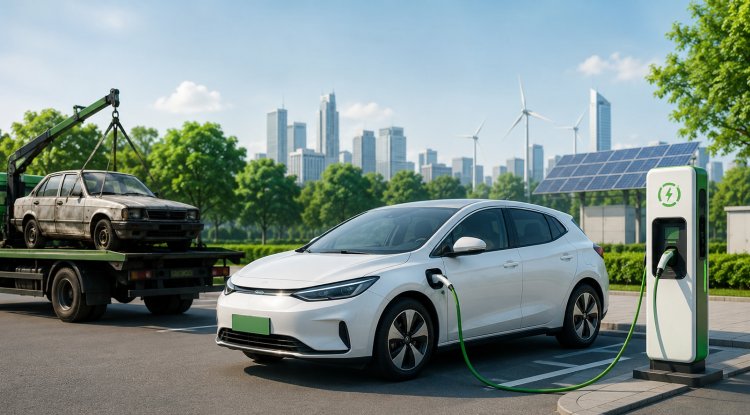
The scheme is estimated to require an expenditure of ₹150 billion (approximately $1.59 billion) for the next four years and emphasizes on promoting electric mobility, EV adoption, and establishing charging stations throughout the city. Anyone who would like to scrap a vehicle they bought before April 1, 2020, and buy an EV will receive a cash award of approximately $1060.
The New Policy of Delhi is on Cleaner Transport.Delhi's New Policy is on Cleaner Transport.
Delhi government has finalised the EV policy in the context of increasing air pollution due to transport emissions. The policy will incentivize electric two-wheelers, cars and small businesses vehicles, and the investment of funds to build charging infrastructure.
During the winter season, the air quality problem in Delhi is particularly severe, as it has a large number of vehicles, construction activity and seasonal factors like crop residue burning in the neighbouring states. Pollution from transport continues to be a Priority area for the improvement of urban air quality for policy makers.
The policy is expected to be implemented from July 1 and will not include hybrid vehicles, continuing to put battery electric vehicle at the heart of Delhi's clean transport agenda.
Financial incentives for EV adoption.
The scheme provides for waiving road tax and registration fee on the purchase of all battery electric vehicles costing up to ₹3 million. These costs tend to comprise much of a vehicle's upfront cost and the exemption should help lower upfront costs for EV buyers.
There will be direct financial assistance for those who purchase electric 2-wheelers. Rewards will range from ₹30,000 in the initial year of implementation, and then drop to ₹10,000 in 3rd year of the policy.
The planned phase-out of subsidies aims to promote early uptake of the technologies and provide time for both manufacturers and consumers to adapt to new market conditions.
Enhancing charging infrastructure is under development.
One of the important component of Delhi EV policy is development of charging infrastructure. The government has targeted the provision of 32,000 EV charging points throughout the city, to better serve the needs of EV owners, delivery services and commercial operators.
One of the very important concerns is the availability of charging points for EVs, especially in urban centers. The growth of charging networks should be able to impact consumer choice and foster greater EV adoption.
There are opportunities beyond transport to vehicles, such as charging services, energy management solutions and fleet electrification, in the policy development.
Two-Wheeler Market Dries Drier
The city of Delhi has taken a long term regulatory decision by announcing that electric two wheelers will be registered from April 1, 2028 onwards only in the city. The introduction should gradually move the market away from petrol-driven vehicles.
In India, two wheelers are used by a large proportion of people for transportation such as personal use, delivery services and small businesses. The more electric vehicles are used in this segment, the greater the reduction in road side emissions.
The policy could have an impact on companies involved in manufacturing and those in the mobility sector when they are analysing production and vehicle replacement cycles, as well as future demand trends.
The impact on businesses and investors.The effect on businesses and investors.
The EV policy emphasises the importance of city-level regulations in driving clean transport transitions. Urban governments now commonly play a bigger role in trying to change consumer behaviour through incentives, infrastructure designs and registration requirements, rather than relying on national targets.
The policy might necessitate changes for businesses in logistics, delivery services, and mobility platforms prior to the 2028 registration deadline. Businesses might consider considering fleet upgrades and EV adoption strategies.
Delhi's strategy aligns transport transformation, public health, infrastructure development and climate action, resonating with investors interested in environmental, social and governance (ESG) factors.
Implementing the measures is still a challenge.
Delhi's success will rely on the implementation of the policy, such as incentivizing EV use, deploying charging stations on time and ensuring that there is sufficient electricity infrastructure to support the growing demand for EVs.
The policy provides a clear steer in the direction of electric mobility, but the extent to which consumers, businesses and infrastructure providers adjust their behaviour to the change will have an impact on how successful the policy is.
The step is indicative of a global trend for cities to adopt transport policies as a means to reduce pollution and promote low-emission mobility systems, as is currently being done in Delhi.
What's Your Reaction?