How Organic Skincare Is Leading Shift Toward Health-conscious, Eco-friendly Beauty
How Organic Skincare Is Leading Shift Toward Health-conscious, Eco-friendly Beauty
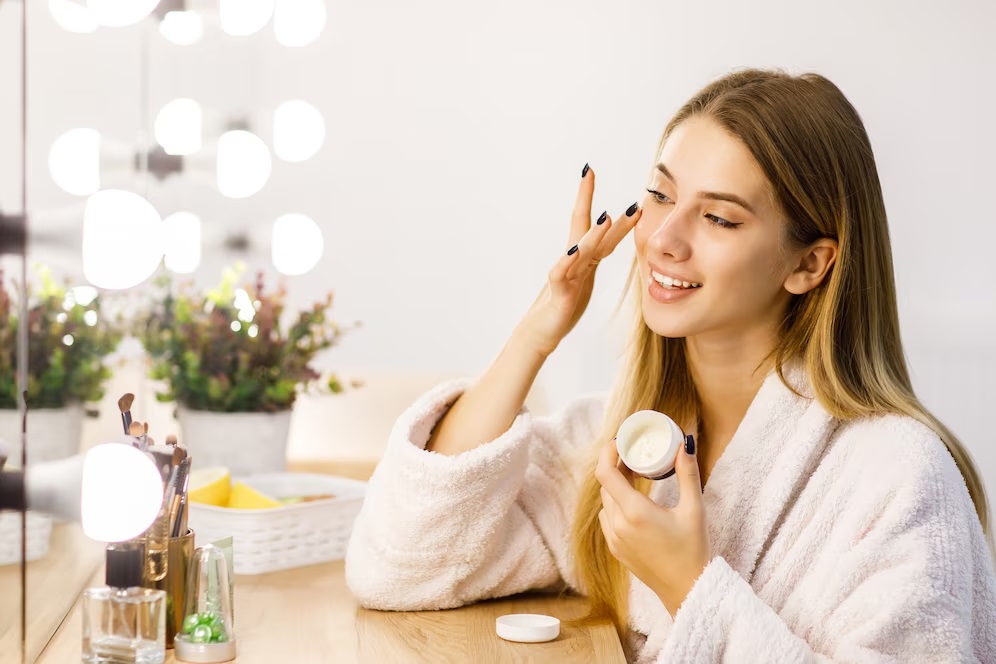
The beauty industry is undergoing a profound transformation as organic skincare brands increasingly capture consumer attention and market share. Once considered a niche segment, organic skincare is now at the forefront of a broader movement toward health-conscious and eco-friendly living.
This shift is driven by a combination of factors including growing health awareness, sustainability concerns, and a desire for authenticity in beauty products. Here's a closer look at why organic skincare is rising and how it's reshaping the industry.
Health Awareness Drives Demand For Organic Skincare
Consumer awareness of the potential health risks associated with synthetic ingredients has significantly contributed to the rise of organic skincare. Many traditional beauty products contain chemicals such as parabens, phthalates, and sulfates, which have been linked to various health issues, including hormonal imbalances and skin irritations.
According to a 2023 report by Market Research Future, the global organic skincare market is projected to grow at a compound annual growth rate (CAGR) of 8.5% from 2021 to 2028. This growth reflects a growing consumer preference for products that avoid potentially harmful chemicals.
As more people become aware of the risks associated with synthetic ingredients, they are turning to organic alternatives that promise to be gentler on the skin and safer for long-term use.
The Appeal of Natural Ingredients
Organic skincare brands capitalize on the appeal of natural ingredients, which are often perceived as more beneficial for the skin compared to their synthetic counterparts. Ingredients like aloe vera, green tea, and essential oils are staples in organic formulations and are known for their soothing, anti-inflammatory, and antioxidant properties.
The popularity of natural ingredients is backed by a 2022 survey conducted by the NPD Group, which found that 53% of consumers are willing to pay a premium for beauty products with natural ingredients. This trend is particularly evident among younger consumers who are more attuned to the benefits of natural and organic skincare.
The Push for Sustainability
Sustainability is another key driver behind the rise of organic skincare brands. Consumers are increasingly concerned about the environmental impact of their purchases and are seeking products that align with their values of sustainability and eco-friendliness.
Organic skincare brands often emphasize sustainable practices, from the sourcing of ingredients to packaging. For instance, many brands use recyclable or biodegradable materials and avoid excessive packaging to minimize their environmental footprint.
The 2023 "Sustainable Beauty Report" by Ecovia Intelligence highlights that 65% of global consumers consider sustainability an important factor when purchasing beauty products. This shift towards environmentally conscious purchasing is influencing brands to adopt more sustainable practices, thereby boosting the demand for organic skincare products.
Transparency and Clean Beauty
Transparency in ingredient sourcing and product formulation is becoming increasingly important to consumers. They want to know exactly what is in their skincare products and how those ingredients are sourced and processed. This demand for transparency has given rise to the "clean beauty" movement, where brands are expected to provide clear, honest information about their products.
A report from the "Clean Beauty Coalition" reveals that 78% of consumers prefer brands that disclose their ingredient lists and avoid harmful chemicals. Organic skincare brands typically excel in this area, offering detailed information about their ingredients and their benefits, which helps build trust and loyalty among consumers.
The Influence of Social Media
Social media platforms have played a significant role in the rise of organic skincare brands by amplifying their reach and visibility. Platforms like Instagram, TikTok, and YouTube are teeming with beauty influencers who review and promote organic products, often highlighting their effectiveness and natural benefits.
According to a 2022 report by Business Insider, beauty-related content on Instagram has seen a 40% increase in engagement, with organic skincare brands benefiting from this surge in visibility. Influencers and beauty bloggers share their personal experiences with organic products, creating a ripple effect that encourages their followers to explore these options.
Innovation in Organic Skincare
The perception that organic skincare products are less effective than their synthetic counterparts is rapidly changing. Advances in botanical science and technology have enabled brands to create highly effective formulations that rival traditional products.
For example, companies are now using advanced extraction techniques to ensure that active ingredients retain their potency. This has led to the development of innovative products that offer both efficacy and natural benefits.
In India, brands like Biotique and Forest Essentials have successfully combined traditional Ayurvedic knowledge with modern science to create products that are both effective and organic. Biotique, for instance, uses a combination of natural ingredients and state-of-the-art technology to produce high-quality skincare products that cater to a broad audience.
Certification and Regulation
Certifications play a crucial role in the organic skincare industry by providing consumers with assurance about the authenticity and quality of products. Various certifications, such as ECOCERT and USDA Organic, help distinguish genuine organic products from those that are merely marketed as such.
The "Organic Beauty Report 2023" by Organic Monitor indicates that the demand for certified organic products is growing, with consumers increasingly looking for brands that meet rigorous standards. In India, certifications from organizations like the Indian Organic Certification Agency (IOCA) help brands like Organic Harvest and SoulTree establish credibility and trust in the market.
The Economic Impact and Market Growth
The economic impact of the rise in organic skincare is substantial. According to a 2023 report by Grand View Research, the global organic skincare market was valued at $ 14.1 billion and is expected to reach $ 27.4 billion by 2028. This rapid growth reflects the increasing consumer demand for organic products and the expanding market opportunities for brands that prioritize natural and sustainable offerings.
In India, the organic skincare market is also experiencing significant growth. A report by the Indian Brand Equity Foundation (IBEF) notes that the Indian beauty and personal care market is expected to reach $ 30 billion by 2025, with organic and natural products gaining a larger share of the market.
The rise of organic skincare brands represents a significant shift in the beauty industry, driven by growing consumer awareness, sustainability concerns, and a desire for authenticity. As more consumers seek out natural and effective alternatives, organic skincare brands are poised to play an increasingly important role in shaping the future of beauty.
What's Your Reaction?