What decides the outcome? More often than most people realise, it starts with you. The author shares a few simple steps consumers can take to give plastic bottles a better chance at recovery and recycling
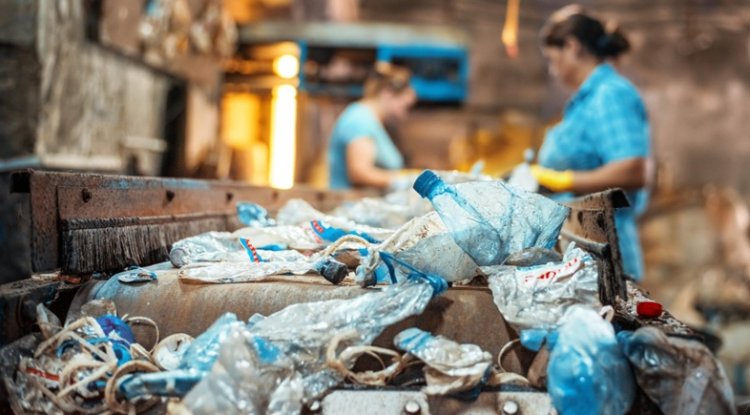
You finish a bottle of water at your desk, or after a workout, or on a long train ride, and you toss it into the bin without thinking twice. That moment takes less than a second. But it quietly sets the bottle on one of two very different paths. One path leads to recovery. The other leads to a landfill, a clogged drain, or a roadside pile that nobody wants to deal with.
The First Step Begins at Home
The journey begins the moment you finish a bottle of water, juice or soft drink. If the bottle is empty, dry and kept away from wet waste, it has a much better chance of being recovered. But if it is thrown along with food scraps, oil, liquid or other wet garbage, its value reduces immediately. A bottle does not become waste simply because it has been used. It becomes harder to recycle when it is contaminated before it even leaves the home.
The Bottle Meets the Recovery Network
Once discarded, the bottle enters a larger recovery system. Waste pickers are often the first to identify and collect recyclable plastic from homes, collection points, roadsides and community bins. From there, the bottle may move to a kabadiwala, who buys recyclable material by weight, and then to an aggregator, who collects larger volumes before sending them ahead. At every stage, clean and intact plastic is easier to handle, carries better value and is more likely to keep moving forward.
The Sorting Stage Decides Its Future
At a sorting facility, the bottle is separated from other materials based on plastic type, colour and condition. This is a crucial step because not all plastic is the same. PET bottles, HDPE containers, multilayer packaging and other plastics need different recycling routes. A clean PET bottle can move ahead for higher-value recycling, while dirty, mixed or damaged plastic may be downgraded or rejected. In many cases, sorting decides whether a bottle gets a real second life or slips out of the recycling chain.
The Bottle Is Cleaned and Reborn as Raw Material
Once accepted, the bottle goes through cleaning and processing. Labels and caps are removed, the bottle is washed, shredded into flakes, filtered and processed into recycled raw material such as pellets or granules. For food-grade rPET, the process is even more stringent, with additional cleaning, decontamination and quality checks before the material can be considered suitable for beverage packaging. This is where the bottle stops being “waste” and becomes a resource again.
The Second Life Begins
The recovered material can now return to the economy in different forms. Depending on its quality and processing, it may become fibre for clothing, material for new packaging, components for furniture, dustbins, buckets, crates or other useful products. In some cases, high-quality PET can even return as food-grade rPET for beverage bottles. The bottle’s second life is possible because several people did their part, starting with the person who disposed of it responsibly.
A plastic bottle’s journey is not magic. It is a chain. Every small step matters, from emptying the bottle at home to sorting it correctly and processing it through the right recycling systems. Recycling does not begin at the plant. It begins with the choices we make before the bottle leaves our hands.
The views expressed are personal
What's Your Reaction?