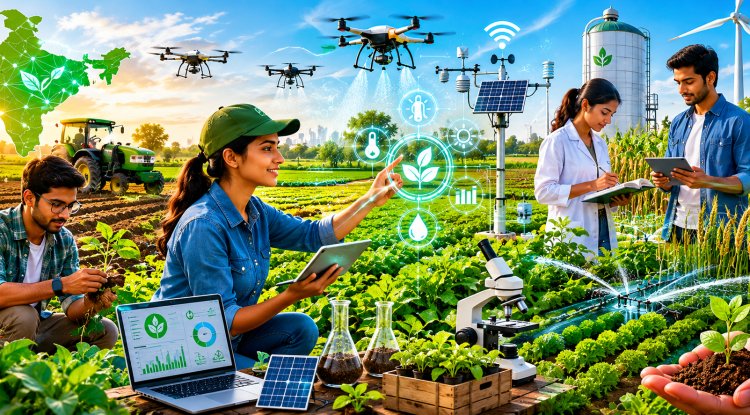
India needs a new generation of agriculture professionals equipped with digital technologies, scientific knowledge, and sustainable practices to build a resilient and efficient farming future.
It is not only about "more food, more"; it's about "more food with less." Crop production needs to be maximised using less land, water, and chemicals while dealing with more unpredictable, climate-changing conditions in order to meet modern farming demands. This change requires a transformation in the way we train the next generation of agricultural professionals.
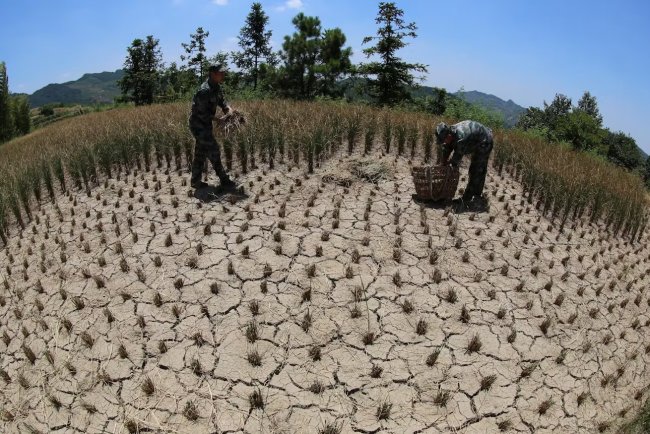
India's transformation is especially critical, as a large share of the population still relies on agriculture for their livelihood. Traditional farming methods are failing to meet demand and are struggling to adapt to changing climate conditions, limited resources, and market needs. The industry requires skilled individuals capable of seamlessly integrating scientific accuracy, technological advancements, and sustainable environmental practices.
The farm sector has been affected by the digital revolution. Precision agriculture technologies, such as drone mapping, artificial intelligence-based forecasting of pest and disease infestations, and satellite-based watering and resource management, are all contributing to a more efficient and sustainable future for farming. However, technology can only work if the people using it are competent. If agricultural education does not keep pace, innovation may not be fully realised, and a new generation of graduates entering the workforce with outdated knowledge may be left behind. The use of AI, bioinformatics, precision agriculture, and climate-smart farming should not be viewed as "add-on" options but should become part of the curriculum from its inception.
However, technology is not all that matters. Sustainability should be at the core and not an add-on. New farmers need to be trained in soil health restoration, biodiversity protection, water-use efficiency, and energy optimisation. Understanding ecological balance is as essential as knowledge of crop genetics, biotechnology, or new crop protection technologies.
Many progressive institutions are already responding to these needs. For example, at Lovely Professional University (LPU), every programme is constantly monitored and updated in response to feedback from students, alumni, industry experts, and professors, ensuring that programmes remain relevant to the changing needs of the country and the world while helping close the gap between classroom learning and agricultural challenges.
What's Your Reaction?