Hyderabad’s Green Carnival Promotes Sustainable Living
Hyderabad’s first Green Carnival in 2025 engaged 5,000 people in sustainability, promoting renewables and waste reduction for India’s net-zero goals.Hyderabad’s Green Carnival 2025 promotes sustainability with solar energy and waste reduction, aligning with India’s net-zero 2070 target.
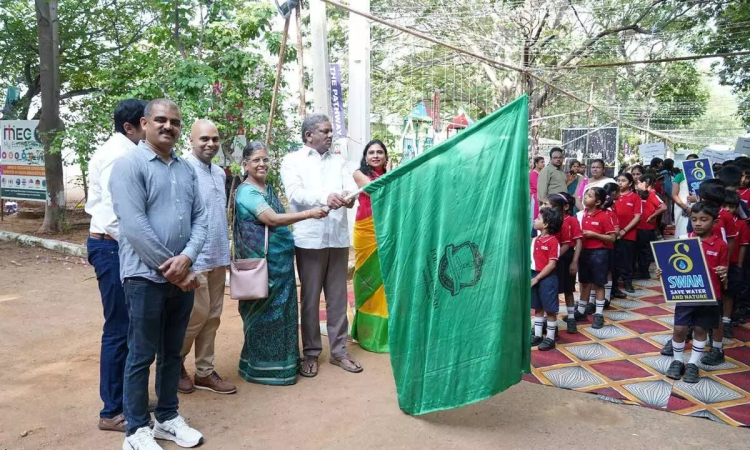
The SWAN NGO hosted Hyderabad’s first Green Carnival in June 2025, engaging 5,000 attendees in sustainability initiatives. The event promoted renewable energy, waste reduction, and eco-friendly practices, aligning with India’s net-zero 2070 goal and local environmental policies.
The Green Carnival, organized by the Society for Welfare and Awakening in Nature (SWAN), took place in Hyderabad on June 15, 2025. Over 5,000 attendees participated in workshops on solar energy, composting, and upcycling, alongside exhibitions of electric vehicles and biodegradable products. The event generated 10% of its energy from solar panels, reducing emissions by 500 kg.
Hyderabad, with 70% of Telangana’s 7 GW renewable capacity, faces urban challenges like 10,000 tonnes of daily waste. The carnival promoted Telangana’s Climate Action Plan, targeting 20 GW renewables by 2030. Stalls showcased 50 local startups, including 10 offering solar rooftop solutions, supporting the PM Surya Ghar scheme’s 100 million household target. Waste management sessions highlighted a 15% recycling rate increase in Hyderabad since 2023.
The event faced challenges, with 20% of attendees unaware of net-zero concepts, per a SWAN survey. Scaling impact requires $10 million annually for awareness campaigns, per TERI estimates. India’s 159.5 GW renewable capacity includes 12 GW from Telangana, but grid constraints limit solar integration by 10%. The carnival’s EV displays, featuring 5 models, align with India’s 30% EV adoption goal by 2030, though charging infrastructure lags, with only 12,000 stations nationwide.
Community engagement included 1,000 schoolchildren planting 500 trees, boosting Hyderabad’s 25% green cover. The event’s zero-plastic policy reduced waste by 30%, offering a model for urban sustainability. Partnerships with local bodies like GHMC aim to replicate the carnival annually, targeting 10,000 attendees by 2026.
Conclusion
Hyderabad’s Green Carnival fosters sustainable practices, supporting India’s net-zero goals. Expanding awareness and infrastructure is key to scaling its impact on urban environmental challenges.
Source: The Hans India,
What's Your Reaction?