Hyundai’s ESG Roadmap: Can the Korean Giant Achieve Net-Zero by 2045?
Hyundai Motor Company has committed to achieving net-zero emissions by 2045 through electric vehicle expansion, a green supply chain, and labor reforms. This report analyzes the challenges and progress behind the company’s ESG roadmap.Hyundai's net-zero 2045 goal focuses on EV production, renewable energy use, battery recycling, and labor rights. This article reviews Hyundai's ESG strategies, progress, and obstacles.
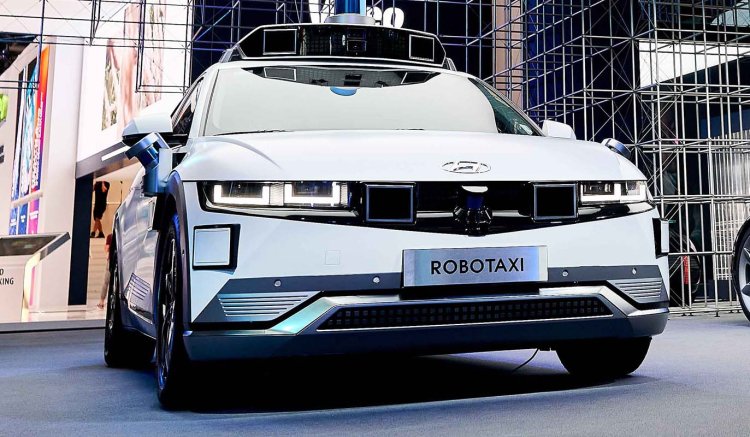
Hyundai Motor Company is pursuing a net-zero emissions target by 2045, aligning itself with global automotive trends and tightening environmental regulations. The South Korean automaker’s ESG (Environmental, Social, and Governance) strategy hinges on an aggressive shift to electric vehicles (EVs), supply chain decarbonization, and improvements in labor and governance practices. As competitors accelerate their sustainability commitments, Hyundai’s roadmap is under growing scrutiny for feasibility and execution.
The core of Hyundai’s environmental strategy is its transition to EVs. The company has committed to ending the sale of internal combustion engine vehicles in major global markets by 2035 and globally by 2040. Hyundai plans to introduce 31 electric models across its Hyundai, Kia, and Genesis brands by 2030. It aims to sell 2 million EVs annually by the same year, with major investments funneled into dedicated EV platforms like E-GMP and future architectures.
Hyundai’s EV strategy also includes expanded battery production partnerships and vertical integration across the supply chain. In 2023, the company broke ground on a $5.5 billion EV and battery plant in Georgia, USA, expected to be operational by 2025. Similar investments are underway in South Korea and Southeast Asia. These efforts are intended to localize production, reduce emissions from logistics, and comply with incentives under policies like the U.S. Inflation Reduction Act.
Beyond vehicle electrification, Hyundai is targeting its supply chain to reduce emissions intensity. The company plans to use 100% renewable energy in all overseas factories by 2045, with intermediate goals set for 2030. It has joined initiatives such as RE100, a global campaign pushing companies to commit to renewable electricity. Additionally, Hyundai is encouraging its suppliers to meet carbon reduction benchmarks and shift to cleaner materials, including recycled aluminum and bio-based plastics.
The automaker’s ESG goals also involve improving resource efficiency and circularity. Hyundai is expanding programs focused on battery recycling, second-life battery applications, and the reuse of production materials. As part of this transition, it is investing in hydrogen energy, particularly for commercial transport and industrial use. Hyundai aims to become a leader in the hydrogen economy through its subsidiary, Hyundai Mobis, which produces hydrogen fuel cells.
However, labor and governance issues have posed challenges to Hyundai’s ESG credibility. In 2022 and 2023, the company faced investigations in the U.S. over child labor allegations linked to parts suppliers in Alabama. Hyundai responded by cutting ties with some suppliers and launching compliance reforms, but the incidents highlighted weaknesses in oversight. The company has since committed to third-party audits and stricter enforcement of labor standards across its operations and partners.
In South Korea, Hyundai’s labor relations have also been under the spotlight. The company has a history of tense negotiations with labor unions, and recent EV-focused restructurings have raised concerns about job security. Hyundai has pledged to provide reskilling programs and job transitions to minimize layoffs during the EV shift. Still, analysts say consistent engagement with workers and unions will be critical for a socially responsible transition.
Governance reforms are another pillar of Hyundai’s ESG efforts. The company has begun to enhance board diversity, transparency, and shareholder rights, responding to criticism over opaque family ownership structures and limited investor input. Hyundai has introduced a dedicated ESG committee and is aligning disclosures with global standards such as the Task Force on Climate-Related Financial Disclosures (TCFD) and the Sustainability Accounting Standards Board (SASB).
Hyundai’s roadmap is ambitious but mirrors the broader pressures automakers face amid rising environmental and social expectations. Its 2045 net-zero goal includes all direct (Scope 1 and 2) and indirect (Scope 3) emissions, though full decarbonization of the supply chain remains complex. Meeting these targets will require sustained investment, regulatory alignment, and public accountability.
While Hyundai’s EV and clean energy pivot positions it to compete in a decarbonizing market, the company’s ESG transformation is far from complete. Addressing labor issues, enforcing supply chain transparency, and delivering measurable emission reductions will determine whether Hyundai’s strategy is viable in the long term. As regulators, investors, and consumers increase their scrutiny, Hyundai must deliver not just promises but demonstrable progress.
What's Your Reaction?