Iberdrola Commissions 316 MW Solar Plant In Spain
Iberdrola’s 316 MW Ciudad Rodrigo solar plant will power 155,000 homes, cut 75,000 tons of CO₂ annually.
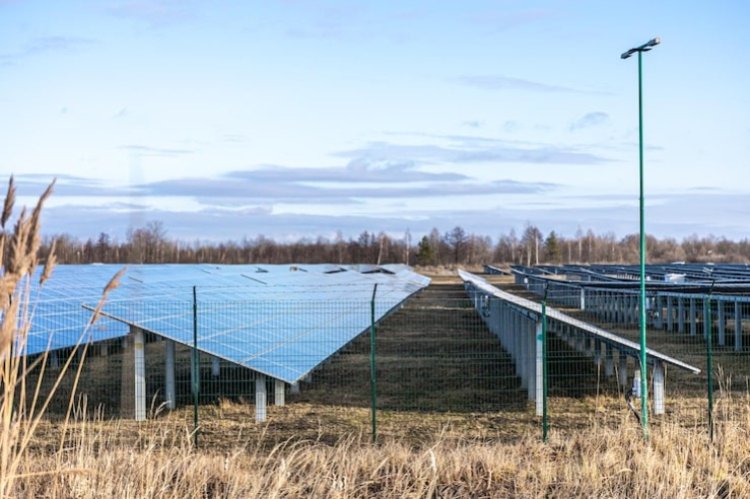
With the start of the commissioning of its Ciudad Rodrigo photovoltaic facility, Iberdrola España has launched one of the biggest solar facilities in the Castilla y León area. The 316 megawatt (MW) project, which was created in collaboration with Norges Bank, will provide renewable energy to over 155,000 homes, surpassing the population of Valladolid. without releasing 75,000 tons of carbon dioxide into the atmosphere each year.
Over 460,000 solar panels cover the 439 hectares of the new plant, which stretches between Valdecarros and Sierra de Torralba. Iberdrola generated about 800 employment throughout the building phase with a €200 million, or about $217 million, investment. Local businesses contributed to important tasks like engineering, crane provision, and the delivery of concrete, gravel, and sand throughout the project's construction.
Iberdrola's integrated strategy for renewable energy, which connects clean electricity production with environmental protection, cultural preservation, and rural development, is reflected in the Ciudad Rodrigo initiative. In addition to producing energy, the firm has made a commitment to a number of biodiversity and conservation programs aimed at preserving ecological balance and enhancing the environment in the surrounding area.
One of Iberdrola's pledges is the rehabilitation of Habitats of Community Interest and the construction of new water elements, such as a pond designed to support the hydrological system for amphibians. Other initiatives include building insect hotels, kestrel nesting boxes, and rabbit shelters to help the local fauna. The goal of these actions is to guarantee that the increase in renewable energy capacity occurs in conjunction with the protection of biodiversity.
The project also includes cultural and community programs by the firm. To help maintain the local heritage, Iberdrola has reached an agreement with the Ciudad Rodrigo City Council to renovate the Cathedral's primary entrances. It has also backed the Astróbriga Solar System, a scaled replica of the solar system intended to serve as both an educational tool and a tourist attraction. The goal of the project is to promote increased public involvement with science and improve local tourism prospects.
Iberdrola has stressed that initiatives like Ciudad Rodrigo are about more than just generating clean energy; they are also about making sure that renewable infrastructure and the demands of local communities coexist. The company emphasized that its renewable energy plan prioritizes biodiversity conservation, flora and fauna protection, cultural heritage preservation, and rural development.
Iberdrola's most important renewable energy center in Spain is still located in the Castilla y León area. In the area, the firm now manages 6,297 MW of installed capacity in wind, solar, and hydropower technologies. It currently runs six solar plants in Palencia, Burgos, and Salamanca, with a total capacity of 890 MW. Additionally, Castilla y León's position as a hub for Spain's shift toward clean energy is highlighted by the fact that the area is home to the nation's first hybrid plant, which combines wind and solar energy.
Spain is stepping up its efforts to expand its renewable energy capacity to meet its goals, and the inauguration of the Ciudad Rodrigo solar plant is timed accordingly. minimize reliance on fossil fuels and meet climate goals. Large-scale solar projects are viewed as a critical component of this transition, helping to improve energy security while also lowering greenhouse gas emissions. Iberdrola's goal is to establish a development model that strikes a balance between social responsibility and sustainability by combining the production of renewable energy with environmental restoration and community participation.
The overall aims of rural revitalization are also advanced by Iberdrola's investment in Ciudad Rodrigo. The long-term conservation initiatives are anticipated to improve the natural environment, while the utilization of local vendors and contractors during building aided the local economy. The project's function as more than simply an energy facility is further emphasized by its associated cultural and educational activities, which place it as a contributor. to the region's cultural and social fabric.
By commissioning the Ciudad Rodrigo facility, Iberdrola has expanded its renewable energy presence in Spain and strengthened its relationship with Norges Bank in promoting clean energy development. The initiative emphasizes the expanding number of renewable energy plants being implemented nationwide and the growing emphasis on integrating energy infrastructure with ecological and cultural sustainability.
The facility is now operational and will produce renewable energy for tens of thousands of homes annually, as well as promote biodiversity conservation and rural development programs. Ciudad Rodrigo is one example of the crucial role that Castilla y León is playing in Spain's clean energy route as the region keeps growing its renewable portfolio. and Iberdrola's dedication to providing comprehensive solutions for the environment, communities, and the energy transition.
What's Your Reaction?