ICAR has developed a biodegradable seed coating technology that increased crop yields by up to 30% in field trials, with potential applications across multiple crops and farming conditions.
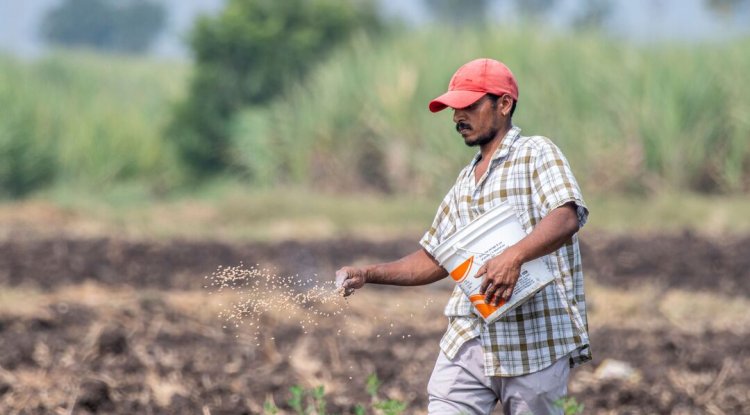
In Telangana, an innovative seed coating process has enabled farmers to achieve approximately 30% greater groundnut and soybean production relative to the previous planting method, as reported by the Indian Council of Agricultural Research (ICAR). The new biodegradable seed coating, developed by the ICAR-Indian Institute of Oilseeds Research (ICAR-IIOR), helps seeds to emerge from their planting period with greater sustainability and resilience towards the environmental stresses that affect growth until the seedling has been established.
The seed coating, which is patented, is made from a biopolymer and creates a thin film-type coating around the seed and then introduces useful microbes, nutrients, and micronutrients to the seed-soil contact zone. The coating also supplies various products used to protect plants from insects and diseases. By improving the germination process, root development, and the early stages of development for newly germinated seeds, the preferred method of coating seeds will create a more sustainable crop and prepare them to successfully cope with drought, moisture stress, pest infestations, and disease.
Through field test demonstrations by farmers throughout Telangana and multi-locational trials carried out as part of the All-India Coordinated Research Project on Seed, ICAR-IIOR has tested the coating process on soybean, groundnut, maize, chickpea, cotton, mustard, and pigeon pea across multiple agro-climatic zones of India.
Throughout the trials, the coated seeds showed yields that increased by 12% to 37% compared to uncoated seeds. The institute has noted improved germination of the seeds and crop establishment even under varying conditions.
Scientists stated that the coating can be applied to a wide variety of crops such as cereals, millets, pulses, oilseeds, fibre crops, fodder crops, vegetables, spices, and horticultural crops.
The technology would have immense utility in areas of rainfall deficiency, such as delayed monsoon, poor soil quality, droughts, and pest infestations that affect crop establishment. As compared to traditional techniques that tackle just one issue, the coating incorporates nutrition, biology, and protection all in one application.
ICAR-IIOR is collaborating with state seed corporations, National Seed Corporation, farmer-producer organizations, cooperative seed federations, seed entrepreneurs, and private seed companies for production and distribution.
The institute continues its efforts towards better biodegradable coatings, microbial formulation, and delivery of nutrients. Improved performance of the seeds at the start of the crop cycle may aid in enhancing farm productivity and agriculture in variable climatic conditions.
What's Your Reaction?